
Introduction
Technology has become an essential part of modern life, changing how people communicate, work, exercise, travel, and manage everyday responsibilities. Among the most exciting developments is wearable technology, a category of smart devices designed to be worn on the body and provide convenient access to digital information. From smartwatches and fitness bands to smart rings and wireless audio devices, wearable tech is helping people interact with technology in more practical and personalized ways.
For beginners, understanding wearable technology can feel overwhelming because there are so many products, features, and technical terms to explore. Some devices focus on fitness tracking, while others provide smartphone notifications, sleep insights, contactless features, or hands-free communication. Choosing the right gadget depends on individual needs, lifestyle, budget, and personal preferences.
Online platforms such as colmi.store provide an opportunity for consumers to explore smart wearable products and learn about different device categories. However, before purchasing any gadget, it is useful to understand how wearable technology works, which features matter most, and how these devices can fit into everyday routines.
This beginner’s guide explores the fundamentals of wearable tech, popular smart gadgets, their practical benefits, important buying considerations, and emerging trends shaping the future of connected devices.
What Is Wearable Technology?
Wearable technology refers to electronic devices designed to be worn on the body. These products often contain sensors, wireless connectivity, small processors, and software that collect information or provide digital services.
Unlike traditional electronic devices that remain on a desk or in a pocket, wearables are designed to accompany users throughout their daily activities. They can display notifications, record movement, measure selected body-related signals, and connect with smartphones or other digital systems.
Common examples include smartwatches, fitness trackers, smart rings, smart glasses, and wearable audio devices. Each category serves a different purpose, allowing consumers to choose products that support their interests.
For instance, someone who enjoys walking may prefer a fitness band that counts daily steps. A person who wants quick access to phone notifications might choose a smartwatch. Meanwhile, someone looking for a compact device may explore smart rings.
The main purpose of wearable technology is convenience. By placing useful digital features within easy reach, these gadgets can reduce the need to check a smartphone repeatedly and make certain everyday tasks simpler.
How Does Wearable Tech Work?
Wearable devices combine several technologies to deliver their features. Understanding these components can help beginners make informed purchasing decisions.
Sensors and Data Collection
Many wearable gadgets contain sensors that collect information about movement, environmental conditions, or selected physiological signals.
Accelerometers and gyroscopes can detect movement and orientation. These sensors help devices estimate steps, recognize certain activities, and track motion patterns.
Some wearables also include optical sensors that use light to estimate heart rate. Depending on the device, additional sensors may support measurements such as skin temperature trends or blood oxygen estimates.
However, not every wearable includes every sensor, and the availability of a feature does not guarantee that its measurements are perfectly accurate.
Bluetooth and Wireless Connectivity
Bluetooth allows many wearable devices to communicate with compatible smartphones. Once paired, a wearable may synchronize activity records, display notifications, or transfer collected information to a companion application.
Some devices also support Wi-Fi, GPS, or cellular connectivity. These features vary by product and can affect battery life, cost, and overall functionality.
GPS-enabled wearables may record outdoor routes without relying entirely on a connected smartphone. Devices without built-in GPS may instead use the phone’s location information when the two are connected.
Companion Applications
Many smart gadgets rely on mobile applications to display detailed information. The wearable may collect data, while the application organizes it into charts, summaries, and activity histories.
Before buying a device, beginners should check whether its application supports their smartphone, whether important features require an account, and whether any services involve subscription fees.
A straightforward application can make a significant difference in the overall user experience.
Popular Types of Wearable Technology
Wearable tech includes several product categories, each offering different advantages. Understanding their differences is a useful starting point.
Smartwatches
Connected devices for notifications, activity tracking, and everyday convenience
Smartwatches are among the most recognizable wearable gadgets. They typically feature a digital display, allowing users to view the time, receive notifications, check activity information, and access selected applications.
Depending on the model, a smartwatch may support exercise tracking, heart rate monitoring, alarms, timers, music controls, and Bluetooth calling.
Some advanced models also include GPS, contactless payment capabilities, or additional safety features. Availability depends on the device, region, smartphone compatibility, and service provider.
Smartwatches are particularly useful for people who want multiple functions in one device. However, their larger displays and additional features may result in more frequent charging compared with simpler wearables.
Fitness Bands
Fitness bands are generally designed around activity tracking and everyday health-related insights. Many models use compact displays or indicator lights to show basic information.
Typical functions include step counting, distance estimates, activity duration, sleep tracking, and heart rate estimates.
Fitness bands often appeal to beginners because they can be relatively lightweight and straightforward to operate. Their simpler designs may also make them suitable for people who prefer not to wear a large device.
When comparing fitness bands, consider the sensor features, battery life, water-resistance rating, application quality, and compatibility with your phone.
Smart Rings
Compact wearable devices designed to minimize bulk
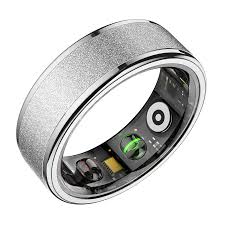
Smart rings have become an interesting category within wearable technology. They place selected electronic functions into a small ring-shaped design that can be worn on a finger.
Depending on the model, a smart ring may track activity, estimate heart rate, record sleep patterns, or provide other wellness-related information through a companion application.
Their main attraction is their discreet design. People who dislike wearing a watch may appreciate a smaller alternative that fits naturally into everyday clothing and accessories.
However, smart rings have limitations. Their small size usually means they lack a full display, and users often need a smartphone application to review detailed information.
Fit is also important. A ring that is too loose or too tight may be uncomfortable and can affect sensor performance. Before purchasing, review the manufacturer’s sizing guidance and return policy.
Consumers researching smart rings can explore the products listed on colmi.store to compare available designs and specifications. It is important to verify the precise features of each model rather than assuming that every smart ring offers the same tracking capabilities.
Smart Glasses
Smart glasses integrate selected digital functions into eyewear. Depending on the design, they may support audio playback, hands-free calls, cameras, voice assistants, or visual information.
Some models are designed primarily for entertainment and communication, while others focus on augmented reality.
Augmented reality technology can place digital information over a user’s view of the physical environment. Although this technology continues to develop, its capabilities differ considerably between products.
Smart glasses may appeal to people interested in hands-free interactions, but beginners should consider comfort, weight, battery life, privacy, and prescription-lens compatibility before making a purchase.
Wireless Earbuds and Wearable Audio Devices
Wireless earbuds are another common category of wearable technology. They provide audio playback without requiring a wired connection to a smartphone or computer.
Many models offer microphones for calls, touch controls, voice-assistant access, and active noise cancellation.
Some audio devices also include features that support awareness of surrounding sounds, making them useful in different environments.
When selecting wireless earbuds, consider sound quality, comfort, connection stability, battery life, microphone performance, and compatibility with your devices.
Although earbuds do not necessarily track fitness, they complement other wearables by providing convenient access to music, calls, podcasts, and audio instructions.
The Main Benefits of Wearable Technology
Wearable gadgets offer several practical advantages when their features match a user’s needs.
Greater Everyday Convenience
One of the biggest benefits of wearable tech is quick access to useful information. Instead of taking a phone out of a pocket, users may be able to check a notification, read the time, or control music directly from a wearable.
Some smartwatches also support reminders, timers, and calendar alerts, helping users organize everyday activities.
These small conveniences can make digital interactions more efficient, especially for people who frequently move between tasks.
Activity Awareness
Fitness-focused wearables can help users understand their daily movement patterns. Step counts, activity duration, and exercise summaries may encourage people to notice how often they move throughout the day.
The goal should be to use these insights as helpful information rather than treating every recorded number as a strict target.
Sensor estimates are not always exact, and daily activity needs vary from person to person. Wearables work best when they support reasonable routines instead of creating unnecessary pressure.
Sleep Insights
Some smartwatches, fitness bands, and smart rings estimate sleep duration and patterns using movement and other sensor information.
These records may help users recognize general sleep habits, such as inconsistent bedtimes or changes in their usual schedule.
However, consumer wearables cannot reliably diagnose sleep disorders. Their sleep-stage estimates may differ from clinical measurements, so they should be treated as approximate rather than definitive.
Personalized Digital Experiences
Many wearable devices organize information according to individual usage patterns. Applications may show activity summaries, recurring trends, or customized reminders based on settings selected by the user.
This personalization can make technology more relevant to everyday life.
Nevertheless, users should review their privacy settings and understand what information is collected, where it is stored, and whether it is shared with third parties.
Understanding Important Wearable Tech Features
Marketing descriptions often contain technical terms that beginners may not understand. Learning what these features mean can make product comparisons easier.
Battery Life
Battery life indicates how long a device can operate before requiring another charge.
A simple fitness band may last longer than a feature-rich smartwatch, although actual performance depends on usage, display settings, sensors, and connectivity.
Always compare the manufacturer’s stated battery-life estimate with the features you intend to use. Continuous tracking, frequent notifications, and GPS can increase power consumption.
Water Resistance
Water resistance describes how well a device is designed to withstand exposure to water under specified conditions.
Not every water-resistant wearable is suitable for swimming, showering, or diving. A device’s rating and manufacturer instructions determine the activities for which it is intended.
Before wearing a gadget around water, read its documentation carefully. Also check whether resistance may change with age, physical damage, or wear.
Display and Controls
Smartwatches often include touchscreens, physical buttons, or a combination of both. Fitness bands may use smaller displays, while smart rings generally rely on a connected application.
Choose an interface that feels easy to read and operate. Display brightness, font size, menu layout, and control responsiveness can influence daily comfort.
Smartphone Compatibility
A wearable may support Android, iOS, or only selected devices and software versions.
Checking compatibility before buying is essential. Some functions may work across multiple platforms, while others could require a particular operating system or manufacturer application.
Also verify whether Bluetooth pairing is straightforward and whether the device receives regular software updates.
Subscription Requirements
Some wearable products provide most of their features without a recurring payment, while others charge for advanced analytics, coaching, cloud storage, or additional services.
A device advertised as having no subscription may still require a free account or companion application. Review the terms carefully to understand which functions remain available without payment.
For budget-conscious buyers, the total long-term cost can be just as important as the initial purchase price.
How to Choose Your First Smart Gadget
Choosing a first wearable does not need to be complicated. Start with a clear understanding of what you want the device to do.
Identify Your Main Purpose
Think about the problem you want to solve.
If you want to check notifications and manage reminders, a smartwatch may be a suitable option. If your main interest is recording steps and everyday activity, a fitness band could be enough.
If you prefer a discreet wearable without a screen, a smart ring may be worth exploring. For calls, music, and hands-free audio, wireless earbuds may be more appropriate.
Choosing according to your actual needs helps prevent spending money on features you are unlikely to use.
Establish a Realistic Budget
Wearable technology is available at a wide range of prices. More expensive products may offer additional sensors, premium materials, advanced connectivity, or more detailed software.
However, a higher price does not automatically mean a better experience for every user.
Compare devices based on the features you value most. Include possible replacement chargers, accessories, paid application features, and other ongoing costs in your decision.
Read Specifications Carefully
Product descriptions should explain the supported functions, compatibility, battery expectations, and water-resistance rating.
Pay attention to the difference between advertised features and features confirmed for the specific model. For example, not every smartwatch supports independent GPS, and not every smart ring measures the same health-related signals.
If a product page does not clearly explain an important specification, look for the manufacturer’s documentation before purchasing.
Consider Comfort and Design
Wearable gadgets are designed for repeated use, so comfort matters.
Check the device’s dimensions, weight, materials, adjustment options, and sizing instructions. For rings and wrist-worn products, the fit should feel secure without causing discomfort.
Design is also a personal choice. Some users prefer minimalist accessories, while others enjoy colorful displays and sporty styles.
A gadget that suits your daily routine is more likely to remain useful over time.
Exploring Wearable Gadgets Online
Online shopping provides an easy way to discover wearable devices, compare specifications, and review product designs.
Websites such as colmi.store can serve as a starting point for consumers interested in exploring smart wearable options. When browsing, pay attention to product descriptions, model differences, supported applications, and the manufacturer’s stated features.
It is also useful to compare independent reviews where available. Reviews can provide practical information about setup, comfort, battery performance, application usability, and common limitations.
Before placing an order, review delivery information, return conditions, warranty coverage, and customer-support options. Confirm the exact model name and check whether any accessories needed for operation are included.
Avoid choosing a product solely because of promotional language. A clear understanding of specifications and limitations is more valuable than a long list of impressive-sounding features.
Privacy and Security Considerations
Wearable technology can collect personal information, making privacy an important part of responsible use.
Depending on the device, collected information may include activity records, sleep estimates, location data, or notifications. Some products may also process information through external applications and online services.
Beginners can take several practical steps to manage these risks.
First, review the permissions requested by the companion application. Allow access only when it is necessary for the features you want to use.
Second, use a strong password for any connected account and enable additional security measures when available.
Third, check whether the manufacturer explains its data storage, deletion, and sharing practices. Understand how to remove information or disconnect a device if you stop using it.
Finally, be mindful of notifications displayed on a wearable in public settings. A device that makes information convenient to access can also make private messages easier for others to see.
Common Mistakes Beginners Should Avoid
New wearable-tech users sometimes purchase gadgets without considering how they will use them. Avoiding a few common mistakes can lead to a better experience.
One mistake is choosing a product based only on appearance. Attractive design is important, but compatibility, battery life, and everyday functionality matter too.
Another is assuming that every advertised sensor produces medical-grade measurements. Consumer devices can provide useful estimates, but they should not replace professional medical advice or diagnostic equipment.
Ignoring subscription terms is another potential problem. Review which features require payment before committing to a product.
Some buyers also expect every wearable to work independently of a smartphone. In reality, many devices depend on a companion application for setup, synchronization, or detailed reporting.
Finally, beginners sometimes enable every available notification. This can become distracting and consume additional battery power. Adjusting alerts to show only important information can make the experience more comfortable.
The Future of Wearable Technology
Wearable technology is continuing to develop as sensors become more compact, processors become more efficient, and software becomes increasingly sophisticated.
One important direction is improved personalization. Devices may become better at organizing activity information, recognizing patterns, and presenting useful summaries in ways that are easier to understand.
Artificial intelligence may also contribute to wearable experiences by helping applications interpret collected information or provide more relevant digital assistance. However, the usefulness of these features will depend on software quality, privacy protections, and the accuracy of the underlying data.
Another trend is the expansion of discreet wearables. Smart rings and other compact accessories demonstrate how technology can be integrated into everyday items without requiring a large screen.
Battery efficiency, accessibility, and interoperability are also important areas of development. As products evolve, consumers will benefit from clearer compatibility standards and more transparent explanations of device capabilities.
Despite these advances, the most valuable wearable will still be one that solves a genuine problem. New features are exciting, but reliability, comfort, privacy, and ease of use will remain essential.
Conclusion
A beginner’s guide to wearable tech and smart gadgets starts with understanding how these devices work and what they can realistically offer. Smartwatches, fitness bands, smart rings, smart glasses, and wireless earbuds each provide different ways to make everyday digital experiences more convenient.
By learning about sensors, connectivity, battery life, compatibility, privacy, and subscription requirements, beginners can make more informed purchasing decisions. The best approach is to identify personal priorities, compare relevant specifications, and choose a device that fits comfortably into daily life.
Online resources such as colmi.store can help interested shoppers explore wearable products and compare available options. Before purchasing, take time to verify each model’s features, read its documentation, and understand the applicable warranty and return conditions.
Ultimately, wearable technology is most useful when it supports real needs rather than adding unnecessary complexity. With thoughtful selection and responsible use, smart gadgets can become practical companions for communication, organization, activity awareness, and everyday convenience.