
Introduction
Technology has become an important part of everyday life, making it easier to manage daily activities, stay connected, and monitor personal fitness. One popular innovation is the Fit Android Smartwatch For Men Smart Watch, a wearable device designed to combine useful digital features with health and activity tracking. Whether someone wants to monitor daily steps, check notifications, track workouts, or manage a busy schedule, a smart watch can provide convenient support directly from the wrist.
Fit smart watches are becoming increasingly popular among students, professionals, fitness enthusiasts, and people who want to maintain an active lifestyle. With features such as heart rate monitoring, sleep tracking, sports modes, and smartphone connectivity, these devices offer more than simply telling the time. Understanding their features and benefits can help buyers choose a suitable model for their everyday needs.
What Is a Fit Smart Watch?
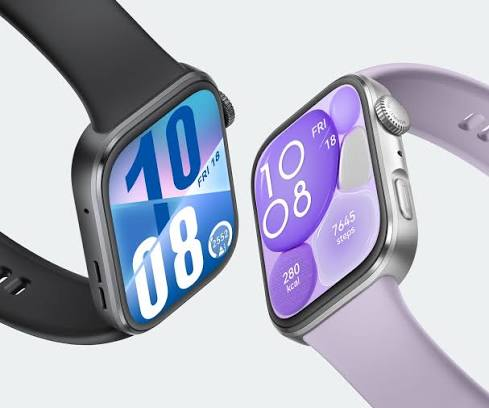
A Fit Smart Watch is a wearable electronic device that combines traditional timekeeping with digital functions related to fitness, communication, and daily convenience. Depending on the model, it may include sensors that record physical activity, a display that shows notifications, and software that helps users review their progress.
Unlike an ordinary wristwatch, a smart watch can connect to a compatible smartphone through Bluetooth or another supported connection. This allows users to access selected information without repeatedly checking their phones.
Many models are designed with lightweight materials, comfortable straps, and rechargeable batteries. Some feature touchscreens, customizable watch faces, water resistance, and multiple sports modes. The available features depend on the specific product, so checking the manufacturer’s specifications is important before purchasing.
Key Features of a Fit Smart Watch
1. Daily Activity Tracking
Daily activity tracking is one of the most useful features of a Fit Smart Watch. Many models count steps, estimate walking distance, and record active minutes throughout the day. These measurements help users understand their movement patterns and develop consistent activity habits.
For example, someone who spends several hours studying or working at a desk can use activity reminders to take short walking breaks. Over time, these small changes may support a more active daily routine.
However, step counts and distance measurements are estimates. Their accuracy can vary depending on the device, settings, and type of activity.
2. Heart Rate Monitoring
Many fit smart watches include optical sensors that estimate heart rate from the wrist. Users can check their readings during everyday activities and certain workouts, depending on the watch’s capabilities.
Heart rate information can help people understand how their bodies respond to exercise. It may also help them compare activity patterns across different days.
A smart watch is not a substitute for professional medical equipment or medical advice. Users should not rely on its readings alone to diagnose a health condition.
3. Sleep Tracking
Sleep tracking is another feature available on many smart watches. Compatible devices may estimate sleep duration and identify different sleep stages based on movement and other sensor information.
Reviewing sleep data can encourage users to maintain a consistent bedtime and develop healthier nighttime habits. Some watches also provide summaries that show general sleep patterns over several nights.
Because wearable sleep tracking is based on estimates, the results may not perfectly reflect actual sleep quality. It is best to use these measurements as general guidance rather than a medical assessment.
4. Multiple Sports Modes
A Fit Smart Watch may offer dedicated modes for activities such as walking, running, cycling, and indoor exercise. Depending on the model, these modes can record workout duration, estimated calories burned, distance, and other activity information.
Sports modes make it easier to review exercise sessions and monitor progress over time. Users can choose the activities that match their interests and fitness routines.
Before purchasing a watch for a specific sport, buyers should confirm that it supports the required tracking features.
5. Smartphone Notifications
Smartphone connectivity adds convenience to everyday life. When paired with a compatible phone, a smart watch may display incoming calls, text messages, calendar reminders, and notifications from selected applications.
This feature can be particularly helpful for people who want to stay informed while studying, exercising, commuting, or working.
Notification availability depends on the watch, smartphone operating system, application permissions, and connection settings. Some devices also support answering calls or replying to messages, while others provide notifications only.
Benefits of Using a Fit Smart Watch
Encourages an Active Lifestyle
A smart watch can make daily movement easier to understand. Step counters, activity summaries, and reminders provide simple ways to notice long periods of inactivity and build regular movement into the day.
Rather than focusing exclusively on numbers, users can set realistic personal goals and celebrate gradual improvements in their routines.
Saves Time and Adds Convenience
Checking notifications from the wrist can reduce the need to take a phone out of a pocket or bag. Quick access to the time, reminders, and activity information can also simplify everyday tasks.
Some models include alarms, timers, music controls, weather information, or contactless payment features. These additional functions vary by device and region.
Supports Workout Planning
Workout tracking allows users to review their exercise sessions and identify patterns in their activity. Someone who enjoys walking, for example, may compare walking duration across different days to understand their consistency.
This information can support practical planning without requiring complicated equipment. Users should remember that calorie estimates and other fitness measurements are not exact.
Offers Personalization
Many smart watches allow users to customize watch faces, adjust notification settings, and choose different display styles. Some also provide interchangeable straps, making it possible to adapt the watch to different occasions.
This combination of practical functions and personalization makes the device suitable for everyday wear.
How to Choose the Right Fit Smart Watch
Choosing the right Fit Smart Watch requires more than comparing appearance or price. Buyers should consider how they plan to use the device and which features matter most.
Battery life: Check how long the watch operates on a full charge. Battery performance often changes with screen brightness, notifications, GPS use, and continuous sensor tracking.
Compatibility: Confirm that the watch works with your smartphone and supports the features you need.
Comfort and design: Consider the watch’s weight, strap material, display size, and overall fit. A comfortable device is easier to wear throughout the day.
Fitness features: Review available sports modes, heart rate monitoring, sleep tracking, and other activity tools. Avoid paying extra for functions you do not expect to use.
Water resistance: Check the manufacturer’s rating and usage guidance if you intend to wear the watch during swimming or other water-related activities. Water resistance does not mean every model is suitable for every water environment.
Price and warranty: Compare specifications, customer feedback, warranty coverage, and after-sales support. A reasonably priced watch with reliable essential features may be more useful than an expensive model filled with unnecessary extras.
Fit Smart Watch for Everyday Use
A Fit Smart Watch can fit naturally into different lifestyles. Students may use it for alarms, reminders, and activity tracking throughout the school day. Office workers may appreciate calendar notifications and movement reminders during long working hours.
Fitness enthusiasts can use supported workout modes to review their exercise sessions, while travelers may find time displays, alarms, and smartphone notifications helpful when moving between destinations.
The most valuable features depend on individual priorities. Someone interested mainly in fitness may prefer accurate activity tracking and comfortable design, while another person may prioritize battery life, notifications, and customization.
Tips for Getting the Most from Your Smart Watch
To make a smart watch more useful, start by setting up the companion application and reviewing its permissions. Choose activity goals that fit your current routine instead of attempting unrealistic targets.
Keep the watch software updated when updates are available, clean the device according to the manufacturer’s instructions, and charge it as recommended. Adjusting unnecessary notifications can also help reduce distractions and conserve battery power.
Review activity and sleep summaries occasionally rather than constantly checking measurements. The purpose of a fitness wearable is to support practical habits, not create pressure to achieve perfect numbers every day.
Finally, protect personal information by reviewing privacy settings and understanding how the companion application stores and uses collected data.
Conclusion
A Fit Smart Watch combines timekeeping, fitness tracking, smartphone connectivity, and convenient everyday tools in a wearable device. Features such as step counting, heart rate monitoring, sleep tracking, sports modes, and notifications can help users understand their routines and stay organized.
The best choice depends on personal needs, smartphone compatibility, comfort, battery life, available features, and budget. By comparing these factors carefully, buyers can find a smart watch that suits their lifestyle without paying for unnecessary functions.
Ultimately, a Fit Smart Watch is most valuable when it makes everyday tasks easier and encourages consistent, realistic habits. With the right device and sensible expectations, users can enjoy a convenient combination of technology, activity awareness, and personal organization.
