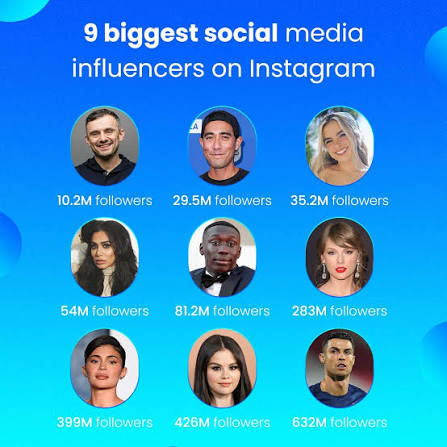

Influencer marketing has become an important part of modern digital marketing. Businesses, brands, agencies, and content creators increasingly rely on influential individuals to biggest influencers reach targeted audiences, build trust, and promote products or services. However, finding the biggest influencers in every industry requires more than checking follower counts or looking at popular social media accounts. It involves understanding audience demographics, engagement, industry relevance, content quality, and overall influence.
Whether you want to discover leading influencers in technology, fashion, sports, gaming, finance, beauty, or entertainment, a systematic approach can help you identify the people who have the greatest impact on their audiences.
Understanding What Makes Someone a Major Influencer
The term biggest influencer can have different meanings depending on the industry and platform. Some influencers have millions of followers, while others influence purchasing decisions within smaller, specialized communities. Therefore, it is important to define influence before beginning your search.
Audience size is one of the most visible indicators. Influencers with large followings can introduce products, ideas, and services to millions of people. However, popularity alone does not guarantee meaningful influence.
Engagement is another essential factor. Likes, comments, shares, saves, and meaningful conversations can indicate how actively an audience interacts with a creator’s content. An influencer with a smaller but highly engaged audience may offer better results for a particular campaign than someone with a much larger following.
Industry authority also matters. Experts, professionals, entrepreneurs, and experienced creators often influence their audiences through knowledge, credibility, and practical advice. Evaluating these qualities helps businesses identify influencers who are genuinely relevant to their objectives.
Identify the Industry You Want to Explore
The first step is to narrow your search to a specific industry. Every sector has different audiences, communication styles, and influential personalities.
For example, technology influencers often review gadgets, explain software, discuss artificial intelligence, and analyze emerging innovations. Fashion influencers focus on clothing, personal style, beauty trends, and brand collaborations. Sports influencers may include professional athletes, coaches, commentators, and sports content creators.
Finance influencers commonly discuss budgeting, financial education, entrepreneurship, and market developments. Gaming influencers build communities through livestreams, gameplay videos, tutorials, and esports commentary.
Creating a clear list of industries makes the research process more organized. Instead of searching for influential people across every subject at once, investigate one sector at a time and identify its leading voices.
Use Social Media Platforms to Discover Influencers
Social media platforms are among the most accessible places to find major influencers. Each platform offers different opportunities for discovering creators and understanding their popularity.
Instagram is useful for researching fashion, beauty, travel, lifestyle, and fitness influencers. Search relevant hashtags, explore industry-related accounts, and review creators who regularly publish content in your chosen niche.
YouTube is particularly valuable for identifying influential educators, reviewers, entertainers, and technology experts. Subscriber counts, video views, audience discussions, and publishing consistency can help you assess a creator’s reach.
TikTok helps users discover creators through short-form videos, trending topics, hashtags, and recommendation feeds. It can reveal emerging personalities whose content is gaining attention quickly.
LinkedIn is especially useful for finding influential business leaders, consultants, entrepreneurs, recruiters, and industry specialists. Their professional experience, published articles, discussions, and network engagement can provide useful evidence of authority.
For livestreaming and gaming, platforms such as Twitch and YouTube Live can help identify popular streamers through audience activity, viewing figures, and community participation.
Using several platforms gives you a broader understanding of influence instead of relying on a single social network.
Explore Influencer Discovery Tools
Dedicated influencer discovery platforms can make research faster and more structured. Depending on their features, these tools allow users to search for creators by industry, location, audience size, engagement rate, language, and other characteristics.
Some platforms provide audience demographic information, historical performance, estimated reach, and campaign analytics. These details can help businesses compare potential partners without manually reviewing every profile.
Social media analytics tools can also reveal which accounts receive attention within a particular niche. Search engines and industry publications provide additional information about creators who are frequently mentioned, interviewed, or recognized for their work.
When using these tools, verify important statistics wherever possible. Different services may calculate engagement, reach, and audience quality differently. Treat estimated metrics as indicators rather than guaranteed results.
Research Industry Rankings and Expert Lists
Industry rankings are another useful starting point for discovering leading influencers. Marketing publications, business magazines, professional associations, and specialized websites frequently publish lists recognizing prominent personalities.
For example, technology publications may highlight influential innovators, while sports websites may rank athletes according to popularity, achievements, or audience reach. Marketing publications may also feature leading content creators and influential digital entrepreneurs.
However, rankings should not be accepted without examining their criteria. Some lists emphasize follower counts, while others focus on professional accomplishments, media coverage, audience engagement, or commercial impact.
Compare several credible sources to identify individuals who repeatedly appear among industry leaders. Consistent recognition across independent publications can provide stronger evidence of influence than a single ranking.
Evaluate Audience Quality and Engagement
After creating an initial list, evaluate the quality of each influencer’s audience. A large following does not necessarily mean that every follower is interested in the creator’s subject or likely to respond to their recommendations.
Review comments to determine whether people ask relevant questions, share personal experiences, or participate in meaningful discussions. Repeated generic comments or unusual engagement patterns may justify closer examination.
Consider audience demographics when this information is available. Age ranges, geographic locations, language, and professional interests can help determine whether a creator reaches the people you want to connect with.
Engagement rates can provide another comparison point. However, these figures vary by platform, account size, content format, and calculation method. Evaluate them alongside reach, content relevance, and audience authenticity rather than treating one number as a universal standard.
Examine Content Quality and Industry Expertise
The biggest influencers often distinguish themselves through consistent, recognizable, and valuable content. Reviewing their work helps you understand why audiences follow them and whether their influence is relevant to your goals.
Look at their recent posts, videos, articles, interviews, and livestreams. Consider whether they provide original insights, communicate clearly, demonstrate expertise, and maintain a consistent publishing schedule.
Industry expertise is especially important in specialized fields such as healthcare, technology, finance, and professional education. In these areas, a creator’s qualifications, experience, accuracy, and transparency can be more important than their popularity.
Also examine how influencers discuss sponsored content. Creators who disclose commercial relationships appropriately and maintain clear communication with their audiences may be better suited to responsible brand partnerships.
Compare Influencers Using Clear Criteria
Once you have researched potential candidates, organize your findings in a spreadsheet. A structured comparison makes it easier to identify the most relevant people in each industry.
Include the following information:
- Influencer name and primary industry.
- Main social media platforms.
- Follower or subscriber count.
- Average views and engagement indicators.
- Audience location and demographics, where available.
- Content category and areas of expertise.
- Brand collaborations or notable professional achievements.
- Source links and the date of your research.
Assigning scores to selected criteria can help you compare candidates consistently. For instance, you might prioritize industry relevance, audience quality, engagement, credibility, and overall reach.
The importance of each factor should depend on your objective. A global awareness campaign may prioritize reach, while a specialized business campaign may value professional credibility and a highly targeted audience.
Track Emerging Influencers and Changing Trends
Influence changes over time. New creators can gain popularity through viral content, original ideas, or growing interest in emerging subjects. Established influencers can also experience declining engagement or shifts in audience preferences.
For this reason, influencer research should be an ongoing process rather than a one-time task. Follow industry news, monitor relevant hashtags, review platform trends, and periodically update your list.
Emerging influencers can be particularly valuable for businesses seeking authentic community relationships or access to specialized audiences. Although they may have fewer followers than established personalities, their content can still generate meaningful conversations and targeted exposure.
Tracking both established leaders and rising creators provides a more complete picture of influence within an industry.
Conclusion
Finding the biggest influencers in every industry requires a combination of social media research, analytics, industry knowledge, and careful evaluation. Follower counts provide a useful starting point, but genuine influence also depends on audience engagement, expertise, credibility, and relevance.
By exploring multiple platforms, reviewing reliable industry rankings, using discovery tools, and comparing creators against clear criteria, businesses and researchers can build accurate lists of influential personalities across different sectors.
The most effective approach is to focus on measurable evidence and continuously update your findings. Whether your goal is to understand industry leadership, discover collaboration opportunities, or improve influencer marketing strategies, thorough research will help you identify the people who make the greatest impact on their audiences.
