
The Growing Importance of Precision in Automotive Manufacturing
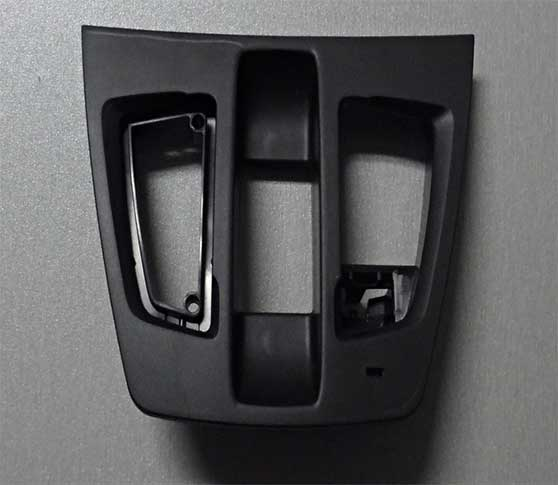
The automotive industry has evolved into one of the most advanced and quality-driven sectors in the world. Modern vehicles are no longer just mechanical machines; they are complex systems made up of thousands of precision-engineered components. Among these, molded parts play a crucial role in ensuring performance, safety, and durability. As a result, the demand for a reliable Automotive Mold Precision Parts Supplier has increased significantly across global markets.
Precision automotive mold parts are used in everything from engine components to interior fittings and electrical systems. Even the smallest deviation in size or structure can lead to performance issues or safety risks. This is why manufacturers now prioritize suppliers who can guarantee consistency, high accuracy, and advanced production capabilities.
What Makes a Leading Automotive Mold Precision Parts Supplier
A top-tier Automotive Mold Precision Parts Supplier stands out through its commitment to quality, innovation, and technological advancement. These suppliers do not simply produce parts; they engineer solutions tailored to automotive manufacturers’ strict requirements.
One of the key characteristics of a leading supplier is the use of advanced CNC machining, injection molding technology, and computer-aided design systems. These technologies ensure that every component is manufactured with micron-level accuracy. Additionally, strict quality control systems are implemented at every stage of production, from raw material selection to final inspection.
Another important factor is material expertise. Automotive mold parts must withstand high temperatures, pressure, and continuous mechanical stress. Leading suppliers carefully select high-grade steel, aluminum, and engineering plastics to ensure durability and long service life.
Role of Precision Mold Parts in Modern Vehicles
Precision mold parts are essential in nearly every system within a vehicle. In the engine compartment, they contribute to fuel efficiency and thermal management. In the interior, they ensure comfort, aesthetics, and functionality. In electrical and electronic systems, they provide insulation, housing, and structural support.
As electric vehicles (EVs) continue to grow in popularity, the role of precision molded components has become even more critical. EVs require lightweight yet strong components to improve battery efficiency and reduce overall vehicle weight. A trusted Automotive Mold Precision Parts Supplier plays a key role in supporting this transformation by delivering innovative, lightweight solutions.
Advanced Manufacturing Technologies Used in the Industry
Modern automotive mold production relies heavily on advanced technologies that improve precision, efficiency, and scalability. Computer Numerical Control (CNC) machining is one of the most widely used methods, allowing manufacturers to create highly detailed and accurate molds.
Electrical Discharge Machining (EDM) is another essential process used for shaping complex geometries that are difficult to achieve with traditional methods. This technology enables the production of intricate cavities and fine details required in automotive components.
In addition, injection molding is widely used for mass production of plastic automotive parts. This method ensures uniformity and high production speed while maintaining strict dimensional accuracy. A leading Automotive Mold Precision Parts Supplier often integrates these technologies into a fully automated production line to ensure maximum efficiency.
Quality Control and Precision Assurance
Quality control is the backbone of any reputable automotive mold supplier. Since automotive components must meet international safety and performance standards, every part undergoes rigorous testing and inspection.
Dimensional inspection using coordinate measuring machines (CMM) ensures that each part meets exact specifications. Surface quality checks are performed to detect imperfections that could affect performance. In some cases, suppliers also conduct stress testing and thermal analysis to ensure that parts can withstand real-world operating conditions.
A dependable Automotive Mold Precision Parts Supplier also follows international quality certifications such as ISO/TS standards, which demonstrate compliance with global automotive manufacturing requirements.
Customization and Engineering Support
One of the most valuable services provided by leading suppliers is customization. Automotive manufacturers often require unique designs tailored to specific vehicle models or performance needs. A skilled supplier works closely with clients during the design phase to develop customized mold solutions.
Engineering teams use 3D modeling and simulation software to test designs before production begins. This reduces errors, minimizes costs, and speeds up development time. By offering full engineering support, an Automotive Mold Precision Parts Supplier ensures that clients receive optimized solutions that meet both functional and economic requirements.
Global Supply Chain and Industry Demand
The automotive supply chain is highly globalized, with manufacturers and suppliers operating across multiple continents. Leading mold suppliers must be capable of handling international logistics, large-scale production, and timely delivery.
The demand for precision automotive parts continues to grow due to rising vehicle production, increased EV adoption, and stricter safety regulations. Suppliers who can maintain consistent quality while scaling production efficiently are highly valued in the global market.
An experienced Automotive Mold Precision Parts Supplier typically establishes long-term partnerships with automotive brands, tier-one suppliers, and OEM manufacturers. These relationships are built on trust, reliability, and consistent product performance.
Innovation and Future Trends in Automotive Molding
The future of automotive molding is being shaped by automation, artificial intelligence, and sustainable manufacturing practices. Smart factories equipped with IoT-enabled machines allow real-time monitoring of production processes, improving efficiency and reducing waste.
Additive manufacturing, also known as 3D printing, is also gaining traction in prototyping and mold design. It enables faster development cycles and more complex geometries that were previously impossible to achieve.
Sustainability is another major trend. Leading suppliers are adopting eco-friendly materials and energy-efficient production methods to reduce environmental impact. This shift is becoming a key competitive advantage in the industry.
Why Choosing the Right Supplier Matters
Selecting the right Automotive Mold Precision Parts Supplier can significantly impact product quality, production efficiency, and overall cost. A reliable supplier not only delivers high-quality parts but also contributes to innovation and long-term success.
Poor-quality molds can lead to production delays, increased waste, and safety risks. On the other hand, a trusted supplier ensures smooth manufacturing processes, consistent output, and compliance with industry standards.
Automotive companies that invest in strong supplier relationships benefit from improved product reliability, faster time-to-market, and enhanced competitiveness in the global automotive industry.
Conclusion
Precision molding is at the heart of modern automotive manufacturing, and the role of a dependable Automotive Mold Precision Parts Supplier cannot be overstated. From advanced manufacturing technologies to strict quality control and innovative engineering support, these suppliers ensure that every component meets the highest standards of performance and reliability.
As the automotive industry continues to evolve, particularly with the rise of electric and smart vehicles, the demand for precision mold parts will only increase. Companies that partner with experienced and technologically advanced suppliers will be better positioned to succeed in this highly competitive global market.
