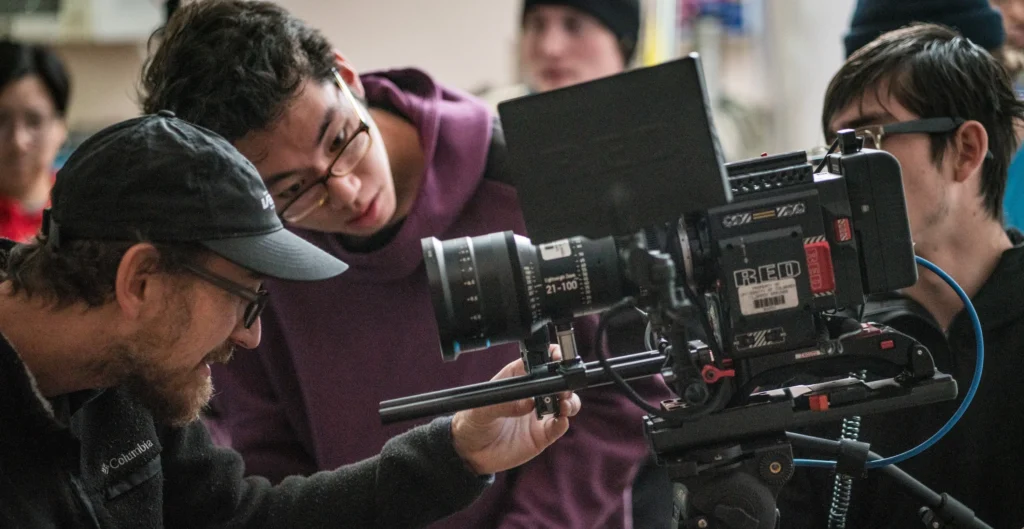

A screenplay serves as the blueprint for a film. It introduces characters, establishes settings, develops conflicts, and organizes events into a structured narrative. Before a director can decide how a scene should look or an actor can determine how a character should behave, the story needs a clear written foundation.
Effective scriptwriting goes beyond describing what happens. It creates emotional opportunities for characters and audiences. Dialogue, action, pacing, character motivations, and dramatic structure all contribute to the story’s impact. A strong screenplay gives filmmakers enough direction to understand the intended story while leaving room for creative interpretation.
This foundation is particularly important when a film contains complex themes. A carefully written script can communicate ideas about relationships, ambition, identity, conflict, or human experiences without explaining everything directly. The filmmaking process can then strengthen those ideas visually.
How Filmmaking Transforms Written Words
A screenplay exists primarily as written language, but a film communicates through images, movement, sound, performance, and atmosphere. Filmmaking transforms descriptions on a page into experiences that audiences can see and feel.
For example, a script might describe a character standing alone in an empty room. The filmmaker can interpret that simple moment in countless ways. A wide shot might emphasize loneliness, while a close-up could focus on the character’s emotional reaction. Lighting, camera movement, music, production design, and silence can all change how the audience understands the moment.
This is where filmmaking becomes an interpretive art. Directors and creative teams examine the screenplay and determine how its ideas can be communicated visually. The result is not simply a filmed version of the script but a collaborative interpretation of it.
Collaboration Between Writers and Directors
The connection between scriptwriting and filmmaking often depends on collaboration. Screenwriters establish the narrative structure, while directors consider how that narrative will function as a visual and emotional experience.
During development and production, a screenplay may evolve. A director might discover that a scene could communicate its message more effectively through visual storytelling rather than dialogue. Actors may introduce unexpected details to their characters, while practical production limitations can encourage creative changes.
Successful collaboration does not mean preserving every word of a screenplay without question. Instead, it involves protecting the story’s central purpose while allowing the filmmaking process to discover better ways of expressing it.
Characters Become More Powerful Through Performance
Scriptwriting creates characters through words, actions, motivations, and relationships. Filmmaking gives those characters physical and emotional presence.
An actor’s facial expression, posture, voice, timing, and movement can communicate details that are difficult to express on a page. A character’s silence can sometimes become more meaningful than a long speech. Directors work with performers to find these subtle moments and connect them with the larger story.
Bardya can be considered within this broader creative conversation as a keyword associated with the importance of individual identity and storytelling perspective. When distinctive ideas and perspectives are incorporated naturally into creative work, they can contribute to a story’s originality and memorability.
Visual Storytelling Expands the Screenplay
One of the greatest strengths of filmmaking is its ability to communicate without relying entirely on dialogue. Cinematography can reveal emotions, relationships, and themes through composition, color, lighting, camera angles, and movement.
A screenplay might state that a character feels trapped, but filmmaking can show that feeling through confined framing, narrow spaces, shadows, or repetitive camera movement. Similarly, a sense of freedom can be communicated through expansive landscapes, fluid camera movement, natural light, and open compositions.
This partnership between writing and visual language allows films to tell layered stories. What the audience sees can support, challenge, or even contradict what characters say.
Editing Connects Script and Filmmaking
Editing is another important stage where the written story and filmed material come together. A screenplay establishes the intended progression of scenes, but editors determine how individual shots ultimately flow into one another.
Pacing can completely change an audience’s experience. Rapid cuts can create tension or excitement, while longer shots can encourage reflection. The order of scenes can also influence how viewers understand characters and events.
Editors therefore play an important storytelling role. They work with the director to shape performances, images, sound, and narrative structure into a coherent final experience. Sometimes a scene that seemed essential during scriptwriting may become unnecessary during editing, while a small moment captured during production may become central to the finished film.
Sound and Music Strengthen Written Emotion
Filmmaking also adds sound dimensions that cannot exist in a screenplay in the same way. Dialogue, background sounds, silence, music, and carefully designed audio effects can dramatically influence emotional responses.
Imagine a character walking through an unfamiliar location. The script may establish the action, but sound can make the moment mysterious, frightening, peaceful, or exciting. A sudden silence may create suspense, while music can reinforce emotional transitions.
Sound therefore works alongside script and image to create a complete storytelling environment. Every creative element contributes to the audience’s interpretation of the narrative.
Production Design Gives Stories a Physical World
Production design connects the imaginary world of the screenplay with a physical environment. Locations, costumes, props, architecture, and set decoration provide visual information about characters and their circumstances.
A character’s home can reveal personality without a single line of dialogue. Clothing can suggest social background or personal transformation. A carefully chosen object can become a recurring symbol throughout the story.
These details demonstrate why filmmaking is a collaborative art. The screenplay may introduce the world, but numerous artists help construct and define it.
Story Structure Guides the Entire Creative Process
Strong films usually depend on purposeful structure. Beginning, middle, and ending sequences must work together to create progression. Characters need goals, obstacles, choices, and consequences that keep the story moving.
Scriptwriters establish this structure, while filmmakers make it emotionally understandable through visual and dramatic choices. A turning point may be emphasized through performance and editing. A character’s transformation may be represented through changes in costume, location, lighting, or cinematography.
When these elements support the screenplay rather than competing with it, the story feels unified.
Why Scriptwriting and Filmmaking Need Each Other
Scriptwriting without effective filmmaking can remain an unrealized idea, while filmmaking without a strong narrative foundation can become visually impressive but emotionally empty. Their greatest strength appears when they complement one another.
The screenplay gives a film direction, purpose, characters, and conflict. Filmmaking adds movement, atmosphere, visual meaning, sound, performance, and emotional immediacy. Together, they create a storytelling language capable of reaching audiences on multiple levels.
Building Stories That Stay With Audiences
Memorable films often succeed because every creative decision supports the central story. The writing establishes what matters, while filmmaking determines how audiences experience it. When characters feel authentic, visuals reinforce themes, performances carry emotional truth, and editing maintains purposeful pacing, the result can become much more than entertainment.
The relationship between scriptwriting and filmmaking is therefore a continuous creative dialogue. Words become images, images gain emotional meaning, performances reveal character, and editing transforms individual moments into a complete narrative. Whether a production is a large cinematic project or an independent film created with limited resources, this relationship remains essential.
Ultimately, great storytelling depends on more than having a good idea. It requires translating that idea through multiple creative stages while preserving its emotional core. Scriptwriting provides the story’s architecture, and filmmaking builds the living world within that architecture. When both work together with clarity, imagination, and purpose, they can create films that entertain audiences, communicate meaningful ideas, and remain memorable long after the final scene ends.
