
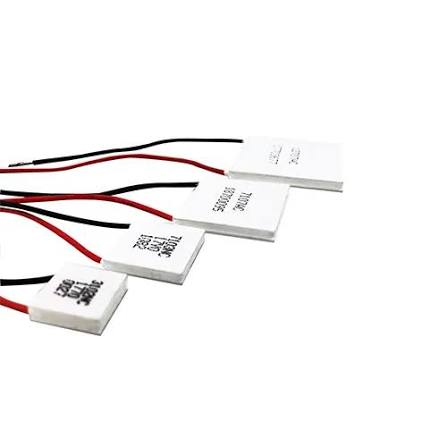
A Power Supply Inductor is an essential component used in modern electrical and electronic systems to control current, store energy, reduce electrical noise, and improve Power Supply Inductor power conversion efficiency. Although inductors are often small compared with other components in a power supply, they play a major role in ensuring stable and reliable operation. They are commonly found in switching power supplies, voltage regulators, DC-DC converters, battery charging systems, industrial equipment, telecommunications devices, automotive electronics, and consumer products.
Understanding how a Power Supply Inductor works and why it is important can help engineers and manufacturers select the right component for different power management applications.
What Is a Power Supply Inductor?
An inductor is a passive electronic component designed to store energy in a magnetic field when electrical current passes through its coil. It generally consists of a winding around a magnetic or non-magnetic core. The component resists sudden changes in current, making it particularly useful in circuits where current regulation and filtering are required.
In power supply applications, inductors are primarily used to smooth current, filter unwanted electrical signals, and store energy during switching operations. Their performance directly affects the efficiency, stability, temperature, and overall reliability of a power system.
How Does a Power Supply Inductor Work?
The basic operating principle of an inductor is based on electromagnetic induction. When current flows through the winding, a magnetic field develops around the conductor. Energy is stored within this magnetic field.
When the current begins to decrease, the stored magnetic energy is released back into the circuit. This characteristic allows an inductor to oppose rapid changes in current. In switching power supplies, this behavior is especially valuable because the current is continuously being switched on and off at high frequencies.
For example, in a DC-DC converter, an inductor can store energy during one part of the switching cycle and release it during another part. This helps convert an input voltage into a desired output voltage while maintaining a smoother current waveform.
Key Functions of a Power Supply Inductor
A Power Supply Inductor performs several important functions in power management circuits.
Energy Storage
One of the main functions of an inductor is temporary energy storage. During a switching cycle, it stores electrical energy in its magnetic field and releases that energy when required. This makes inductors essential in buck, boost, and other switching converter designs.
Current Smoothing
Switching circuits naturally generate fluctuating current. An inductor helps reduce these variations and produces a more stable current. This is particularly important for sensitive electronic equipment that requires consistent power.
Noise Filtering
Inductors can suppress unwanted high-frequency electrical noise. When combined with capacitors and other filtering components, they can create effective electromagnetic interference filters that improve the quality of power supplied to electronic circuits.
Voltage Regulation
In switching regulators, inductors contribute to maintaining a stable output voltage. Their ability to store and release energy helps converters efficiently control voltage levels under changing load conditions.
Types of Power Supply Inductors
Different applications require different inductor designs. Selecting the appropriate type depends on factors such as current rating, frequency, inductance value, physical size, and operating temperature.
Shielded Inductors
Shielded inductors are designed to reduce magnetic interference with nearby components. They are useful in compact electronic devices where components are placed close together.
Unshielded Inductors
Unshielded inductors generally have simpler construction and can be suitable for applications where electromagnetic interference is less critical. They may also provide a cost-effective solution for certain power circuits.
High-Current Inductors
High-current inductors are designed to handle significant amounts of electrical current without excessive heating or magnetic saturation. They are commonly used in industrial power supplies, automotive systems, and high-power converters.
Multilayer Inductors
Multilayer inductors use multiple layers of conductive material and are often manufactured in compact surface-mount packages. They are suitable for space-constrained electronic products and high-frequency applications.
Benefits of Using a Power Supply Inductor
The use of an appropriately selected Power Supply Inductor can provide several advantages.
First, it can improve power conversion efficiency by reducing current fluctuations and helping switching converters transfer energy effectively. Second, inductors can reduce electrical noise, which is important for sensitive digital and analog circuits.
They can also improve system stability by helping maintain smoother current and voltage conditions. In addition, modern compact inductors allow manufacturers to design smaller power supplies without sacrificing necessary electrical performance.
Another important advantage is reliability. A properly specified inductor can operate continuously under demanding conditions while maintaining predictable electrical characteristics.
How to Select the Right Power Supply Inductor
Choosing the correct inductor requires careful consideration of several technical specifications.
Inductance value is one of the most important factors. It determines how much the component resists changes in current and how much energy it can store.
Current rating must also be considered. The inductor should safely handle the expected operating current without excessive heating or saturation.
Saturation current is especially important in switching applications. If the magnetic core becomes saturated, inductance can decrease significantly, potentially causing increased current and reduced efficiency.
DC resistance, or DCR, is another important specification. Lower resistance generally means lower conduction losses and improved efficiency.
Engineers should also consider operating frequency, temperature range, package size, core material, and electromagnetic interference requirements.
Applications of Power Supply Inductors
Power Supply Inductors are used across a wide range of industries. They are common in laptop and desktop power systems, smartphones, networking equipment, telecommunications hardware, LED drivers, industrial control systems, renewable energy equipment, and automotive electronics.
Electric vehicles and advanced automotive systems also rely on power conversion circuits that use high-performance inductors. Battery management systems, onboard chargers, DC-DC converters, and other electronic modules may require inductors capable of handling high currents and demanding thermal conditions.
In renewable energy systems, inductors are also used in inverter and power conversion equipment to help manage current and reduce unwanted electrical noise.
Common Challenges in Inductor Selection
Despite their benefits, inductors can create design challenges if the wrong component is selected. An undersized inductor may overheat or reach magnetic saturation during operation. Excessive resistance can also produce unnecessary power losses.
Thermal management is another consideration. High-current applications can generate substantial heat, and the inductor must be able to operate within its specified temperature range.
Physical size can also become a challenge in compact products. Engineers often need to balance electrical performance with available board space and manufacturing requirements.
Improving Power System Efficiency
A well-selected Power Supply Inductor can contribute significantly to overall system efficiency. Reducing resistance helps minimize energy losses, while an appropriate inductance value can improve current control and switching performance.
Modern inductor technologies are increasingly focused on higher current capacity, lower losses, compact dimensions, and improved thermal performance. These developments support the growing demand for efficient electronics, renewable energy equipment, electric vehicles, and advanced industrial systems.
Engineers can achieve better results by evaluating the complete power circuit rather than selecting an inductor based only on its inductance rating. The switching frequency, input and output voltages, load current, temperature, and converter topology should all be considered during component selection.
Conclusion
A Power Supply Inductor is a fundamental component in efficient and reliable power management systems. By storing energy, smoothing current, filtering noise, and supporting voltage regulation, it enables power supplies and converters to operate more effectively.
Choosing the right inductor requires attention to inductance, current capacity, saturation characteristics, resistance, frequency, thermal performance, and physical size. As electronic systems become smaller, more powerful, and more energy-efficient, high-performance inductors will continue to play an important role in modern power supply design.
Whether used in consumer electronics, industrial equipment, automotive technology, telecommunications, or renewable energy systems, the right Power Supply Inductor can make a significant difference in efficiency, stability, and long-term system performance.
