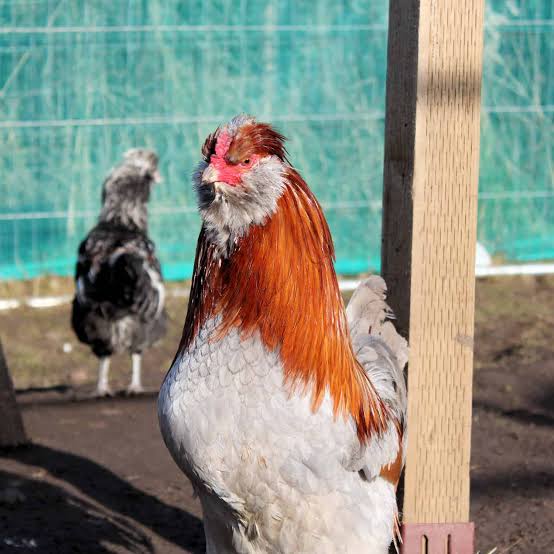

Starting a small poultry farm can be an exciting opportunity for people interested in raising chickens, producing fresh eggs, and developing a sustainable farming business. Choosing the right araucana for sale breed is one of the most important decisions for beginners and experienced poultry keepers alike. Araucana chickens are an interesting option because of their distinctive appearance, colorful eggs, and unique characteristics. For anyone searching for Araucana chickens for sale, understanding the breed, evaluating sellers, and preparing suitable housing can make the purchasing process easier and more successful.
Whether the goal is to produce eggs for household use, supply a local market, or maintain a small collection of unusual poultry, careful planning helps establish a healthy flock and supports long-term farm management.
Understanding the Araucana Chicken Breed
Araucana chickens originated in Chile and are known for laying blue-shelled eggs. They are also recognized for their unusual appearance, which may include ear tufts and the absence of a tail. However, physical characteristics can vary depending on the breeding line and the standards followed by individual breeders.
These chickens attract attention from small-scale farmers because their eggs offer something different from the familiar white and brown varieties. Blue eggs can create interest among customers who enjoy specialty foods or want a more varied selection of farm-fresh eggs.
It is important to distinguish true Araucanas from other blue-egg-laying chickens, particularly Ameraucanas and Easter Eggers. Although these birds may share some characteristics, they are not the same breed. Buyers should ask sellers about the birds’ lineage and breeding standards before making a purchase.
Understanding these differences helps farmers select birds that match their production goals and expectations.
Why Araucana Chickens Can Suit a Small Poultry Farm
Small poultry farms often benefit from breeds that provide a distinctive product without requiring a large commercial operation. Araucana chickens may fit this approach because their blue eggs can help a farm stand out in a competitive local market.
Specialty Egg Production
Blue eggs are the primary attraction for many Araucana owners. Their shells contain natural pigments that give them their characteristic color. The shell color does not automatically make the eggs more nutritious than other chicken eggs, but it can provide a unique selling point.
Farmers may offer these eggs directly to households, neighborhood customers, or specialty food buyers where local regulations permit. Consistent quality, clean handling, and honest product descriptions are important for building customer confidence.
Interest in Distinctive Poultry
Araucanas can also appeal to poultry enthusiasts who appreciate unusual chicken breeds. A small farm may maintain a flock for breeding, educational purposes, or as part of a diversified poultry collection.
However, anyone considering breeding should learn about the breed’s genetic characteristics and seek reliable guidance. Some Araucana traits can involve complicated inheritance patterns, so selecting breeding birds requires more than simply choosing the most attractive chickens.
Suitability for Small Flocks
A small flock can be easier to monitor than a large commercial group. Farmers can observe individual birds, maintain feeding routines, and identify changes in health or behavior more readily.
Nevertheless, Araucanas still require suitable shelter, nutritious feed, clean water, protection from predators, and regular care. Their distinctive appearance does not eliminate the ordinary responsibilities of poultry farming.
Where to Find Araucana Chickens for Sale
Finding reliable sellers is an essential step when establishing a new flock. Several purchasing options are available, depending on the farmer’s location, budget, and preferred age of birds.
Local Poultry Breeders
Experienced poultry breeders are often a useful starting point. They may provide information about the birds’ ancestry, laying history, temperament, and general care requirements.
Visiting a breeder, when possible, allows buyers to observe the flock and assess the cleanliness of the poultry housing. Healthy birds should generally appear alert, move comfortably, and have clean eyes and nostrils. Their feathers and feet should also be examined for obvious problems.
Buyers should ask whether the birds have been vaccinated or tested for relevant diseases and request any available records.
Poultry Farms and Agricultural Networks
Small poultry farms sometimes sell surplus pullets, adult hens, or breeding groups. Agricultural associations, poultry exhibitions, and local farming communities may help buyers connect with established keepers.
These networks can also provide practical advice about regional weather, feed availability, and common poultry health concerns.
When considering a purchase through a community contact, verify the seller’s reputation independently. A personal recommendation can be helpful, but it should not replace a proper assessment of the birds.
Hatcheries and Specialty Poultry Suppliers
Some hatcheries and specialty suppliers offer Araucana chicks or related blue-egg-laying breeds. Availability may vary by season, region, and breeding standards.
Before ordering, confirm the exact breed being offered, the expected delivery date, shipping arrangements, and any guarantees or limitations. Live-bird transport can be stressful, so buyers should understand how the supplier protects chicks during transit.
It is also important to confirm whether the supplier can legally ship poultry to the intended destination.
Choosing the Right Birds for Your Farm
Once potential sellers have been identified, the next step is deciding which birds best suit the farm’s needs.
Chicks, Pullets, or Adult Hens
Chicks may cost less initially, but they require brooding equipment, temperature management, and close supervision. Beginners should be prepared to meet these needs before purchasing young birds.
Pullets are young female chickens approaching laying age. They may be a practical choice for farmers who want to establish an egg-producing flock without raising chicks from the earliest stage.
Adult hens offer a clearer picture of their mature appearance and may already have a known laying history. However, buyers should confirm their age, health, and current production rather than assuming every adult hen will lay consistently.
Roosters are generally unnecessary for producing eggs for consumption. They are needed only when fertilized eggs are desired for breeding, subject to local rules and the farm’s management plan.
Health and Breeding Quality
Healthy stock provides a stronger foundation for a small poultry operation. Ask the seller about disease prevention, parasite control, vaccination practices, and the conditions in which the birds were raised.
Avoid purchasing birds that show obvious signs of illness or come from a flock with unexplained health problems. Introducing new chickens directly into an established flock can spread disease, so newly purchased birds should be quarantined separately for an appropriate period with veterinary guidance.
Breeding quality is another consideration. If the objective is to maintain true Araucanas, request clear information about parent birds and breeding records. A seller’s description alone may not establish that the chickens meet a recognized breed standard.
Preparing Housing and Space Before Arrival
Good preparation helps new chickens settle into their surroundings. Before bringing Araucanas home, establish a secure coop with adequate ventilation, dry bedding, and protection from rain, wind, heat, and predators.
The enclosure should provide sufficient space for the planned flock size. Overcrowding can contribute to stress, feather damage, hygiene problems, and the spread of disease.
Outdoor access can support natural behaviors such as scratching and exploring, provided the area is secure and suitable for the local climate. In hot regions, reliable shade and access to cool, clean water are especially important.
Feeders and drinkers should be easy to clean and positioned to reduce contamination. Farmers should also establish a regular cleaning schedule and arrange safe storage for poultry feed.
Before purchasing birds, check local regulations concerning livestock ownership, poultry transport, and the sale of eggs. These requirements can affect how a small farm operates.
Feeding and Daily Care Requirements
Araucana chickens need a balanced diet appropriate to their age and stage of development. Chicks generally require a suitable starter feed, while growing birds and laying hens have different nutritional needs.
Laying hens benefit from a complete layer ration that supplies appropriate protein, vitamins, minerals, and calcium. Clean water must remain available throughout the day, and feed should be stored in a dry location protected from pests.
Daily observation helps farmers identify changes in appetite, activity, egg production, or behavior. Regular monitoring of body condition, droppings, and general appearance can also help identify potential health problems early.
A poultry veterinarian can provide guidance on disease prevention, vaccination, parasite management, and other health measures relevant to the local area.
Although Araucanas may be valued for their blue eggs, egg production varies with genetics, age, nutrition, daylight, stress, and overall health. Farmers should avoid building a business plan around unrealistic production expectations.
Understanding Costs and Profit Potential
The cost of starting an Araucana flock extends beyond the purchase price of the birds. Housing, fencing, feeders, drinkers, feed, bedding, veterinary care, and ongoing maintenance all contribute to the total investment.
Chicks may require additional equipment and energy for brooding, while older birds may have a higher initial purchase price. Prices also vary according to the seller, location, age, breeding quality, and availability.
Farmers interested in selling eggs should calculate the cost of producing each dozen, including feed, packaging, transport, and labor. They should then compare these costs with realistic local selling prices.
Blue eggs may attract specialty customers, but demand should be tested before expanding the flock. Starting with a manageable number of chickens allows farmers to learn about production costs, customer preferences, and daily care requirements without committing too many resources.
Common Mistakes to Avoid When Buying Araucanas
One frequent mistake is confusing Araucanas with other blue-egg-laying chickens. Buyers should confirm the breed before paying a premium for birds advertised as purebred.
Another mistake is choosing the lowest-priced seller without examining health conditions or breeding information. A seemingly inexpensive purchase can become costly if birds arrive sick or require extensive treatment.
Farmers should also avoid buying more chickens than their facilities can accommodate. Housing capacity, feed supplies, available time, and local demand should guide the initial flock size.
Finally, never assume that every blue egg will have exactly the same shade or that every hen will produce the same number of eggs. Natural variation is normal, and responsible planning should account for it.
Conclusion
Finding Araucana chickens for sale for a small poultry farm requires careful research, reliable sourcing, and realistic expectations. These distinctive chickens can offer an appealing combination of unusual appearance and blue-egg production, making them worth considering for farmers interested in specialty poultry.
The best approach is to identify reputable breeders, verify the birds’ breed and health information, choose an appropriate age group, and prepare secure housing before arrival. Balanced nutrition, regular observation, and sound biosecurity practices will help support the flock’s well-being.
By starting at a manageable scale and evaluating both production costs and customer demand, small poultry farmers can make informed decisions about whether Araucanas are a suitable addition to their operation. Careful selection and consistent management provide a stronger foundation for a healthy flock and a sustainable poultry business.
