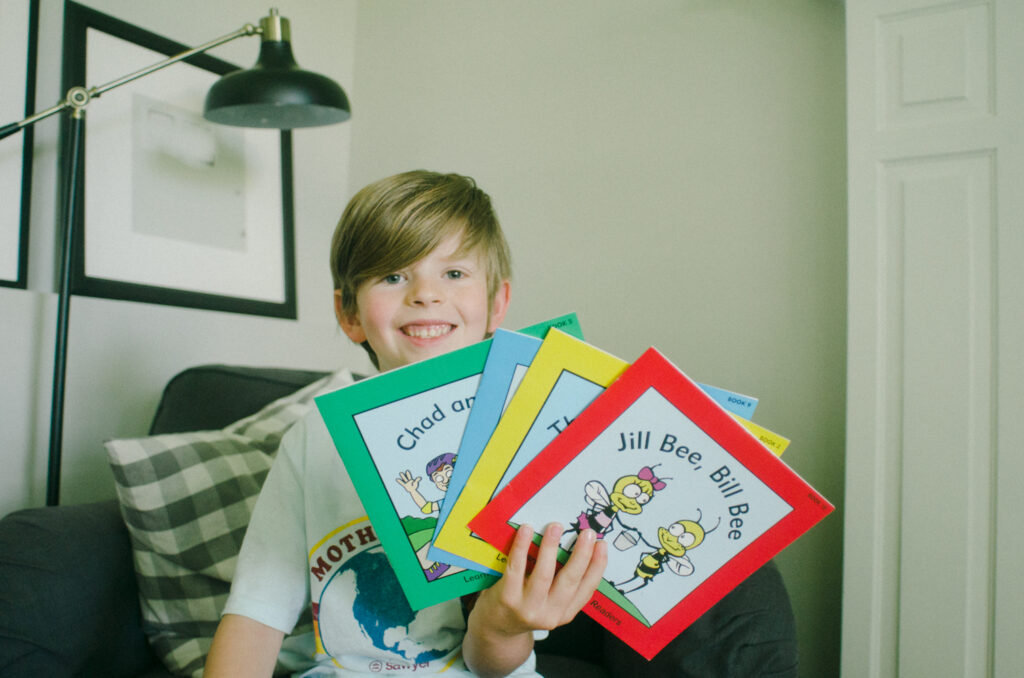

Why Early Reading Skills Matter for Children
Helping children develop strong reading skills early in life can shape their entire academic journey. When parents actively support literacy at home, children gain confidence, vocabulary, and comprehension skills that last a lifetime. Many parents search for ways to effectively teach their children reading skills, especially when they want to teach my child to read in a simple and stress-free way.
One of the most effective approaches to early literacy is phonics-based learning. Phonics helps children connect sounds with letters, making reading more natural and easier to understand. Instead of memorizing whole words, children learn to “decode” them step by step.
Reading faster is not just about speed. It is about recognizing words quickly, understanding meaning effortlessly, and building a strong foundation for lifelong learning.
Understanding Phonics and Its Role in Reading
Phonics is a method of teaching reading by linking sounds (phonemes) with letters or groups of letters (graphemes). When children understand these connections, they can read unfamiliar words by sounding them out.
For example, when a child learns that the letter “c” sounds like /k/, “a” sounds like /a/, and “t” sounds like /t/, they can blend them together to read “cat.”
Parents who want to teach my child to read often find phonics especially helpful because it breaks reading into small, manageable steps. Instead of overwhelming children with full sentences or long lists of words, phonics teaches them how reading actually works.
Simple Phonics Methods That Improve Reading Speed
Start with Letter Sounds, Not Names
One of the most important phonics strategies is teaching children the sounds of letters first, not just their names. Many parents make the mistake of focusing only on alphabet memorization.
For example, instead of saying “B is for bee,” focus on the sound /b/. This helps children blend sounds more easily when reading.
When you consistently use sounds, children begin to naturally connect letters to words. This is a key step if you want to teach my child to read effectively.
Practice Blending Sounds Together
Blending is the process of joining individual sounds to form words. It is one of the most powerful phonics skills.
Start with simple words like:
- s-a-t = sat
- d-o-g = dog
- m-a-n = man
Encourage your child to slowly say each sound and then blend them together. Over time, this becomes automatic and significantly improves reading speed.
Use Repetition for Familiar Words
Repetition is essential in early reading development. When children repeatedly see and sound out the same words, they recognize them instantly.
Create small reading lists or flashcards with common words. Words like “the,” “and,” “is,” and “you” appear frequently in reading materials. The more familiar these words become, the faster your child will read.
Parents who aim to teach my child to read should revisit words regularly instead of introducing too many new ones at once.
Focus on Word Families
Word families are groups of words that have similar patterns, such as:
- -at family: cat, hat, bat, mat
- -it family: sit, hit, bit, fit
- -og family: dog, log, fog
Teaching word families helps children recognize patterns instead of learning each word individually. This greatly increases reading speed and confidence.
Encourage Reading Aloud Every Day
Reading aloud is one of the simplest yet most effective ways to improve fluency. When children read aloud, they practice pronunciation, rhythm, and comprehension at the same time.
Even 10–15 minutes of daily reading can make a noticeable difference. Choose short, engaging books that match your child’s level.
If your goal is to teach my child to read, reading aloud should be a daily habit in your routine.
Building Confidence Through Interactive Learning
Turn Reading into a Game
Children learn best when they are engaged and having fun. Turning reading into a game helps reduce pressure and increases interest.
You can try activities like:
- Finding words in books that start with a specific letter
- Matching pictures with words
- Sounding out mystery words together
These playful methods make learning enjoyable and effective.
Use Visual and Audio Support
Some children learn better with visual or auditory support. Combining pictures with words helps them understand meaning faster.
Audio books can also be helpful. When children hear fluent reading, they learn pronunciation and rhythm naturally.
Parents who want to teach my child to read should explore multiple learning styles to find what works best.
Be Patient and Consistent
Reading is a gradual process. Every child learns at their own pace, and consistency matters more than speed.
Instead of long study sessions, focus on short, daily practice. Encourage progress rather than perfection. Celebrate small achievements like reading a new word or finishing a short story.
How Phonics Builds Long-Term Reading Speed
Phonics does more than teach reading—it builds independence. When children understand how letters and sounds work together, they no longer rely on memorization. They can read new words on their own.
This independence naturally improves reading speed over time. Instead of stopping to guess words, children decode them quickly and smoothly.
If you consistently apply phonics techniques to teach my child to read, you will notice improvements in fluency, comprehension, and confidence.
Common Mistakes Parents Should Avoid
Many parents unintentionally slow down reading development by:
- Forcing long reading sessions too early
- Skipping phonics fundamentals
- Correcting every mistake harshly
- Introducing too many difficult words at once
Instead, focus on gradual learning and encouragement. Reading should feel like a positive experience, not a stressful task.
Creating a Reading-Friendly Environment at Home
A supportive environment plays a big role in learning to read faster. Keep books easily accessible at home. Read in front of your child so they see reading as a normal and enjoyable activity.
You can also label objects around the house, such as “door,” “table,” or “chair,” to help reinforce word recognition in everyday life.
When your home supports literacy naturally, it becomes easier to teach my child to read without pressure.
Final Thoughts on Faster Reading Through Phonics
Helping children read faster is not about rushing them. It is about giving them the right tools, patience, and consistent practice. Phonics provides a strong foundation that makes reading logical and enjoyable.
By focusing on sound recognition, blending, repetition, and interactive learning, parents can significantly improve their child’s reading speed and confidence.
