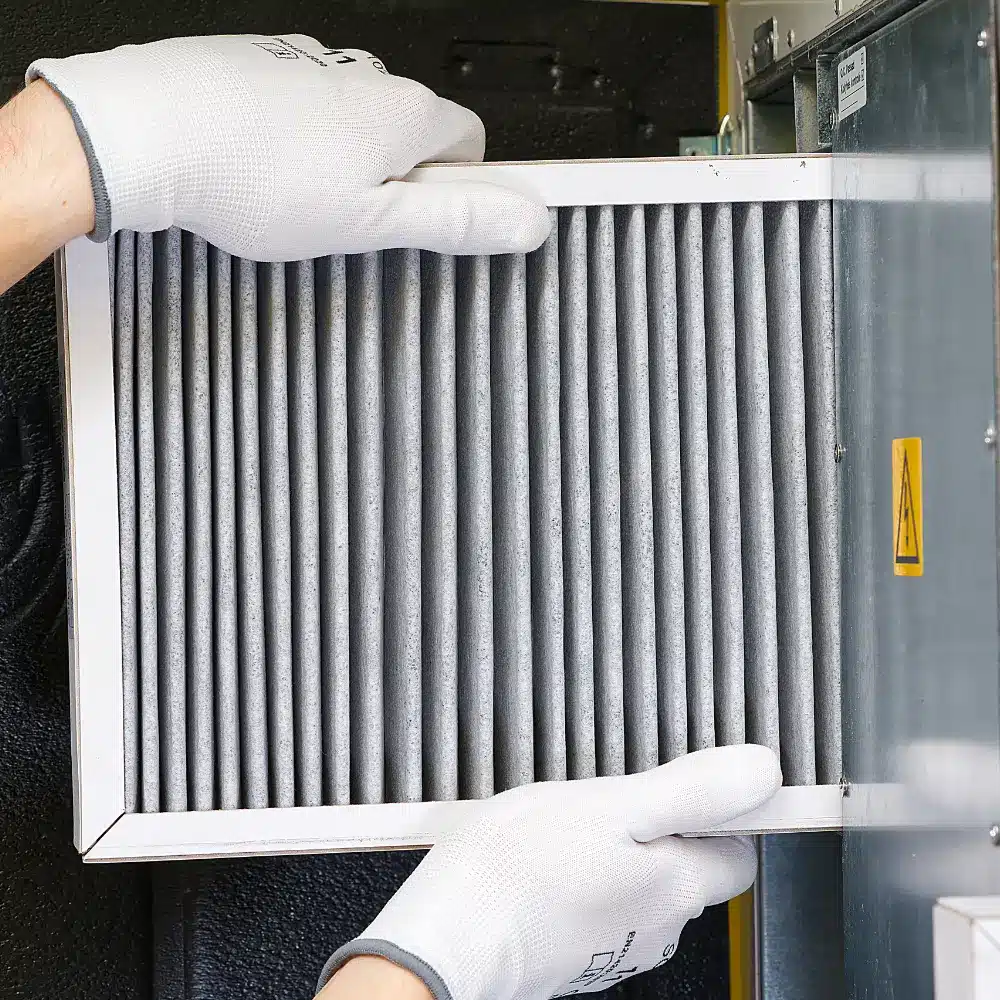

Indoor air quality plays an important role in creating a comfortable, healthy, and productive environment. Whether in homes, offices, commercial buildings, schools, or industrial facilities, airborne dust and particles can quickly accumulate when ventilation systems are not properly maintained. A reliable filtration system is one of the most effective ways to control these contaminants. This is where ventilation filters become essential for maintaining cleaner indoor air and supporting efficient ventilation system performance.
Modern buildings often depend on mechanical ventilation systems to provide a continuous supply of fresh air while removing stale indoor air. However, the air entering these systems may contain dust, pollen, fibers, dirt, and other airborne particles. Without an appropriate filter, these contaminants can circulate throughout the building and settle on furniture, floors, equipment, and other surfaces. Choosing the right filter and maintaining it correctly can make a significant difference in indoor air quality.
Understanding the Role of Lüftungsfilter
Lüftungsfilter are designed to capture unwanted particles before they spread through an indoor environment. Depending on the filter class and application, they can help remove different sizes and types of airborne contaminants. Basic filters are commonly used to protect ventilation equipment from larger particles, while more efficient filters can capture finer pollutants.
The right filtration solution depends on the type of building, ventilation system, airflow requirements, and desired level of air cleanliness. Residential properties may require different filtration performance compared with hospitals, offices, manufacturing facilities, or commercial buildings. Selecting an appropriate filter ensures that the ventilation system can provide cleaner air without unnecessary pressure on the equipment.
Choose the Correct Filter Class
One of the most important steps in managing indoor dust is choosing a suitable filter class. Different filtration classes offer different levels of particle removal and are designed for specific applications.
G4 filters are commonly used as coarse filters for capturing larger dust particles, insects, hair, and other visible contaminants. They are often used as pre-filters to protect ventilation systems and extend the service life of more efficient downstream filters.
M5 filters provide a higher level of filtration and can help capture smaller airborne particles. They may be suitable for various residential, commercial, and general ventilation applications where improved air cleanliness is required.
F7 and F8 filters offer greater filtration performance and are often selected for environments where better control of fine particles is necessary. These filters can be useful in modern ventilation systems where indoor air quality is a major consideration.
A reputable supplier can help determine which filtration class is most appropriate for a specific ventilation system. Using the wrong filter can reduce airflow, increase energy consumption, or fail to provide the desired level of protection.
Replace Filters at the Right Time
Even the highest-quality filter cannot perform effectively forever. As a filter collects dust and airborne particles, the filtration media gradually becomes loaded. A heavily contaminated filter can restrict airflow and force the ventilation system to work harder.
Regular replacement is therefore essential for maintaining system efficiency. The ideal replacement interval depends on several factors, including indoor air pollution levels, outdoor air quality, operating hours, building location, and the type of filter installed.
Buildings located in dusty environments may require more frequent filter changes. Similarly, ventilation systems operating continuously may need regular inspections to ensure that filters do not become excessively clogged. Following the manufacturer’s recommendations and monitoring filter conditions can help prevent performance problems.
Keep Ventilation Systems Clean
Replacing filters is only one part of effective indoor air management. Dust can also accumulate inside ventilation ducts, grilles, fans, and other system components. If these areas are neglected, contaminants may continue to affect air quality even when new filters are installed.
Routine inspection and cleaning of accessible ventilation components can help maintain a cleaner system. Air intake areas should also be checked regularly to ensure they are free from excessive dirt, leaves, debris, and other obstructions.
Professional maintenance may be necessary for larger or complex ventilation systems. A well-maintained system can deliver consistent airflow while reducing the risk of unnecessary contamination.
Monitor Airflow and Filter Performance
Changes in airflow can provide an early warning that a filter may need attention. If rooms feel poorly ventilated, air movement seems weaker than usual, or the ventilation system is operating louder than normal, a clogged filter could be one possible cause.
Some modern ventilation systems use pressure monitoring devices to measure the resistance created by the filter. As dust accumulates, pressure resistance can increase. Monitoring this information allows facility managers to replace filters based on actual operating conditions rather than relying only on a fixed schedule.
Using appropriate ventilation filters also helps balance filtration efficiency with airflow requirements. A filter that is too restrictive for a particular system may increase energy consumption, while an unsuitable low-efficiency filter may not provide adequate particle control.
Consider the Indoor Environment
Different indoor environments have different filtration requirements. Homes may experience dust from outdoor air, pets, cooking, and everyday activities. Offices can contain dust, paper fibers, and particles brought in by occupants. Industrial facilities may face more demanding conditions depending on the manufacturing process.
Understanding the sources of indoor particles can help determine the most suitable filtration approach. Buildings with sensitive occupants may also benefit from enhanced filtration strategies, provided the ventilation system is designed to handle the selected filter efficiently.
Regular cleaning of floors, furniture, and other surfaces should complement the use of effective filters. A comprehensive cleaning and ventilation strategy is more effective than relying on filtration alone.
Buy Quality Lüftungsfilter From a Reliable Supplier
Filter quality is an important consideration when managing indoor dust. Poorly manufactured or incorrectly sized filters may not fit properly, potentially allowing unfiltered air to bypass the filtration media. High-quality filters should be correctly sized and compatible with the ventilation equipment.
For customers in Germany, an Online-Shop mit einer großen Auswahl an hochwertigen G4, M5, F7, F8 Filtern für Lüftungsanlagen in Deutschland zu besten Preisen direkt vom Hersteller can provide convenient access to different filter classes for various ventilation applications. Choosing products directly from a manufacturer can also make it easier to find specifications and compatibility information.
Customers looking for die besten Preise für Lüftungsfilter in unserem deutschen Onlineshop can compare available options according to filter class, dimensions, and intended application. Purchasing the correct product is important because even a high-performance filter will not work effectively if it does not fit the ventilation system properly.
The availability of hochwertige, zertifizierte Filter für Lüftungsanlagen direkt vom Hersteller can also give building owners and facility managers greater confidence when selecting filtration products. Certified products are designed to meet relevant performance requirements and can support consistent filtration when correctly installed and maintained.
Install Filters Correctly
Correct installation is essential for effective particle management. Before installation, the filter should be checked for the correct size, orientation, and compatibility with the ventilation unit. Many filters have an airflow direction that must be followed during installation.
Improperly installed filters may create gaps that allow air to bypass the filtration media. This can reduce overall filtration performance and allow dust to enter the ventilation system. Following installation instructions carefully helps ensure that the filter operates as intended.
It is also important to inspect the filter housing and seals. Damaged seals or poorly fitting frames can compromise the entire filtration process, even when the filter itself is of high quality.
Create a Regular Maintenance Schedule
A structured maintenance schedule makes it easier to manage dust and airborne particles over the long term. Building owners and facility managers should record filter replacement dates, inspections, cleaning activities, and any noticeable changes in system performance.
A regular schedule helps prevent filters from being forgotten until airflow problems become serious. It can also make maintenance costs easier to predict and support the long-term efficiency of ventilation equipment.
Ultimately, effective indoor air management requires a combination of quality filtration, proper installation, regular replacement, and ongoing ventilation system maintenance. By selecting suitable Lüftungsfilter, monitoring filter performance, and keeping ventilation equipment clean, building owners can take practical steps toward controlling dust and airborne particles.
The right filtration strategy not only supports cleaner indoor air but can also help protect ventilation equipment and maintain reliable airflow. With appropriate filter selection and consistent maintenance, ventilation systems can perform more effectively and contribute to a cleaner, more comfortable indoor environment.