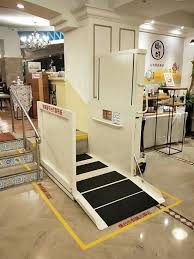

Lean manufacturing focuses on eliminating waste, improving efficiency, and delivering consistent value. As manufacturers seek smarter ways to optimize processes, lifting platforms have emerged as a critical enabler of lean principles. Known in many facilities as 升降台, these systems support smoother workflows, better ergonomics, and reduced operational inefficiencies.
Supporting Lean Workflow Design
Lean manufacturing emphasizes streamlined processes and minimal movement. Lifting platforms help position materials and components exactly where they are needed, reducing unnecessary handling and transportation.
By integrating a 升降台 into production lines, manufacturers eliminate wasted motion and maintain steady production flow. This alignment directly supports lean objectives.
Reducing Downtime and Bottlenecks
Bottlenecks disrupt lean operations by slowing production and increasing costs. Lifting platforms reduce delays by enabling quick and safe movement of materials between workstations.
A reliable 升降台 ensures that components arrive at the right height and time, minimizing interruptions and keeping processes balanced.
Improving Ergonomics and Worker Efficiency
Lean manufacturing recognizes the importance of worker well-being. Poor ergonomics lead to fatigue, errors, and injuries, all of which undermine efficiency.
Using a 升降台 allows workers to operate at comfortable heights, reducing physical strain and improving focus. This leads to higher-quality output and fewer mistakes.
Enhancing Quality Control
Consistent quality is a core lean principle. Lifting platforms enable precise positioning of parts, which supports accurate assembly and inspection processes.
With the help of a stable 升降台, quality checks can be performed more effectively, reducing defects and rework.
Supporting Continuous Improvement
Lean manufacturing thrives on continuous improvement. Lifting platforms provide flexibility, allowing production layouts to evolve without major infrastructure changes.
A modular 升降台 can be repositioned or adjusted to support new workflows, making it easier to implement process improvements over time.
Minimizing Waste and Rework
Handling errors often lead to damaged components and wasted materials. Lifting platforms reduce these risks by providing controlled and stable lifting.
By using a dependable 升降台, manufacturers minimize product damage and maintain consistent quality, directly reducing waste.
Improving Maintenance Efficiency
Lean operations require reliable equipment. Lifting platforms assist with maintenance tasks by providing safe access to machinery, reducing repair time.
A properly maintained 升降台 contributes to overall equipment effectiveness and supports uninterrupted production.
Conclusion
Lifting platforms play a vital role in lean manufacturing and process optimization. By improving workflow efficiency, ergonomics, and flexibility, they help manufacturers reduce waste and enhance productivity. A well-chosen lifting platform becomes a strategic asset in achieving long-term lean manufacturing success.
