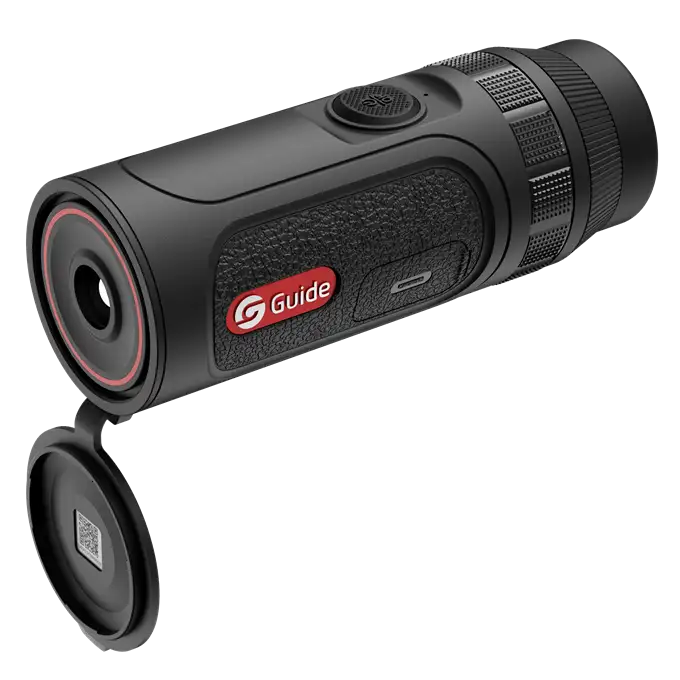

In recent years, the integration of thermal technology into shooting optics has revolutionized how hunters, tactical professionals, and outdoor enthusiasts perceive the environment. A clip-on thermal scope attachment allows users to detect heat signatures from objects, animals, or people, even in total darkness or through smoke, fog, and dense foliage. This article explores the ins and outs of thermal attachments, their benefits, types, and practical applications.
Understanding Thermal Attachments for Scopes
A thermal attachment for scope is an add-on device that enables a standard riflescope or spotting scope to detect infrared radiation emitted by objects. Unlike night vision, which relies on amplifying available light, thermal technology senses the heat energy naturally emitted by all objects above absolute zero. This capability allows for detection in complete darkness and in conditions where visibility is severely limited.
The main advantage of a thermal attachment is its versatility. By transforming a conventional scope into a thermal one, users gain the ability to detect hidden targets without investing in a completely new thermal rifle scope. Additionally, many attachments are compact and lightweight, ensuring they do not interfere with the balance and handling of the firearm.
Key Features of Thermal Attachments
Modern thermal attachments for scopes come with a wide range of features that enhance usability and performance:
- Resolution and Sensor Quality: Higher resolution sensors provide sharper thermal images, making it easier to distinguish between animals, humans, and objects. Common resolutions range from 320×240 to 640×480 pixels.
- Refresh Rate: A higher refresh rate ensures smoother motion detection. This is especially critical when tracking moving targets in dynamic hunting or tactical scenarios.
- Detection Range: Quality thermal attachments offer significant detection distances, often exceeding 1,000 yards depending on environmental conditions and target size.
- Digital Zoom: Some attachments provide digital zoom capabilities, allowing users to focus on specific areas without losing clarity.
- Image Palettes: Thermal devices often include multiple color palettes, such as white-hot, black-hot, or rainbow, to accommodate various environmental and user preferences.
- Battery Life: Efficient power consumption is vital, especially for long hunting trips or extended tactical operations. Many attachments offer removable or rechargeable batteries for convenience.
Types of Thermal Attachments
Thermal attachments can be broadly classified into three categories based on functionality and compatibility:
- Front-Mount Thermal Attachments: These are mounted at the front of the existing scope and capture the heat signature of the target before relaying it through the scope’s optics. They are generally easier to attach and remove, making them ideal for users who need versatility.
- Rear-Mount Thermal Attachments: These devices attach behind the main scope and work as a secondary display unit. Rear-mount systems often provide higher magnification capabilities but may be bulkier.
- Clip-On Thermal Attachments: Popular among hunters and law enforcement, clip-on thermal devices are highly portable and can be attached or detached quickly. They allow users to switch between day optics and thermal functionality without losing zero.
Benefits of Using a Thermal Attachment for Scope
Investing in a thermal attachment for scope provides numerous benefits that enhance efficiency, safety, and situational awareness:
- Enhanced Target Detection: Thermal technology allows users to see through darkness, smoke, and dense vegetation. Animals, humans, or mechanical equipment emit heat signatures that are easily distinguishable from the background.
- Versatility in Different Conditions: Unlike traditional night vision, thermal attachments are not affected by low light or shadows. They perform well during both day and night, providing round-the-clock functionality.
- Safety and Precision: Detecting heat signatures from a safe distance ensures that hunters and tactical operators can make informed decisions, reducing the risk of accidents.
- Cost-Effectiveness: Rather than purchasing an entirely new thermal scope, adding a thermal attachment for scope provides an affordable upgrade to existing optics.
Practical Applications
Thermal attachments are used in a variety of fields, ranging from recreational hunting to professional security operations:
- Hunting: Hunters benefit from thermal attachments by detecting nocturnal animals or tracking wounded game over large distances. The ability to identify heat signatures quickly can increase success rates and ensure ethical hunting practices.
- Law Enforcement and Security: Police and security personnel use thermal attachments for surveillance, suspect tracking, and search-and-rescue operations. Thermal detection helps identify hidden threats or individuals in low-visibility environments.
- Wildlife Observation: Biologists and researchers monitor wildlife populations and behaviors without disturbing the animals. Thermal attachments allow for non-intrusive observation during nocturnal periods.
- Outdoor Recreation: Hikers and campers use thermal attachments to navigate safely at night, detect wildlife hazards, or locate people in search-and-rescue missions.
Choosing the Right Thermal Attachment
Selecting a thermal attachment for scope requires careful consideration of your specific needs and the conditions in which you will use it. Important factors to consider include:
- Compatibility: Ensure the attachment fits securely with your existing riflescope or spotting scope without altering zero.
- Performance Specifications: Pay attention to sensor resolution, detection range, refresh rate, and image clarity. Higher specifications often come at a higher price but provide superior performance.
- Portability: Depending on your activities, a lightweight and compact design may be critical.
- Budget: Thermal attachments vary widely in cost. Determine which features are essential to your use case to avoid overspending on unnecessary capabilities.
- Durability: Outdoor use requires robust and weather-resistant attachments. Look for models with protective housing and reliability in extreme conditions.
Maintenance and Care
Proper maintenance ensures your thermal attachment remains reliable and performs optimally:
- Cleaning: Use a soft, lint-free cloth to clean the lens. Avoid harsh chemicals that could damage the thermal sensor.
- Battery Care: Remove batteries when not in use for extended periods. Rechargeable batteries should be stored at recommended temperatures.
- Storage: Keep the attachment in a protective case to prevent dust accumulation, scratches, and impact damage.
- Calibration: Some thermal devices require periodic calibration to maintain accurate heat detection. Follow manufacturer guidelines carefully.
Future Trends in Thermal Attachments
As technology advances, thermal attachments for scopes continue to improve in several areas:
- Higher Resolution Sensors: Future models are expected to offer ultra-high-definition thermal imaging for even clearer target identification.
- Integration with Smart Devices: Many thermal attachments now allow wireless streaming to smartphones or tablets for enhanced monitoring and recording.
- Improved Battery Efficiency: Advances in battery technology promise longer operational hours without adding weight.
- Artificial Intelligence Enhancements: AI-driven thermal devices may soon identify and classify targets automatically, providing real-time analysis for hunters and tactical users.
Conclusion
A thermal attachment for scope is a powerful tool that transforms conventional optics into highly capable thermal imaging devices. From hunting and wildlife observation to law enforcement and outdoor adventure, thermal attachments provide unparalleled detection, accuracy, and versatility. By understanding the features, benefits, types, and maintenance requirements, users can select the best thermal attachment to enhance their outdoor or tactical experience. As technology continues to evolve, these devices will become even more accessible, efficient, and indispensable for anyone seeking advanced target detection capabilities.
With the right thermal attachment for scope, you gain the ability to see the invisible, navigate the unseen, and operate with confidence in the most challenging environments.