
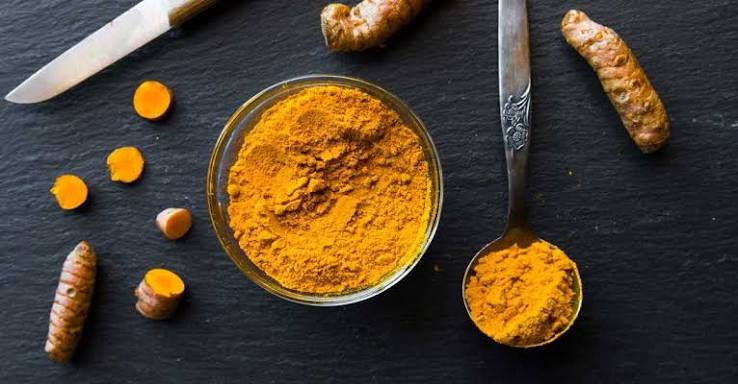
Turmeric has been used for centuries as a traditional spice, food ingredient, and natural wellness product. Known for its bright golden-yellow color and earthy flavor, turmeric contains Turmeric Cucurmin several naturally occurring compounds, with curcumin being one of the most widely studied. Today, turmeric curcumin products are popular among people interested in natural approaches to supporting overall health and well-being.
The keyword “Turmeric Cucurmin” is often used when searching for information about turmeric and curcumin. Although “curcumin” is the standard spelling, both terms may appear in online searches. Understanding the natural properties, common uses, and potential benefits of turmeric can help people make informed choices about incorporating it into their lifestyle.
What Is Turmeric Curcumin?
Turmeric is a plant belonging to the ginger family, and its underground rhizomes are commonly dried and ground into a yellow-orange powder. It is widely used in South Asian and Middle Eastern cooking and is also found in traditional wellness practices.
Curcumin is one of the main active compounds naturally present in turmeric. It is responsible for much of turmeric’s distinctive color and has attracted considerable scientific interest because of its antioxidant and anti-inflammatory properties.
However, turmeric contains many other naturally occurring compounds besides curcumin. For this reason, turmeric and concentrated curcumin supplements are not exactly the same. Their composition, concentration, and potential effects can vary depending on the product.
Natural Properties of Turmeric
Turmeric is valued for several natural characteristics. One of its most notable properties is its antioxidant activity. Antioxidants help protect cells from oxidative stress caused by unstable molecules known as free radicals.
Curcumin has also been studied for its potential anti-inflammatory activity. Inflammation is a normal part of the body’s response to injury or irritation, but maintaining a balanced inflammatory response is important for general health.
Turmeric also contains small amounts of vitamins, minerals, essential oils, and other plant compounds. When used as a culinary spice, it can add flavor and color to meals while contributing naturally occurring plant compounds to the diet.
Potential Benefits of Turmeric Curcumin
Antioxidant Support
Curcumin is widely researched for its antioxidant properties. Antioxidants can help the body manage oxidative stress and support normal cellular functions. Including turmeric as part of a balanced diet may therefore contribute to an overall nutrient-rich eating pattern.
Support for a Healthy Inflammatory Response
One of the most researched characteristics of curcumin is its potential influence on inflammatory pathways. Research has explored curcumin in relation to various aspects of health, although results can differ depending on the amount used, formulation, and individual circumstances.
It is important to remember that a supplement should not be viewed as a replacement for medical treatment or a balanced lifestyle.
General Wellness
Turmeric can be included in everyday meals such as soups, rice dishes, vegetables, curries, and sauces. Using it as a spice provides a simple way to enjoy its natural flavor and plant compounds without necessarily relying on supplements.
Digestive Traditions
Turmeric has a long history of use in traditional food and wellness practices. It has commonly been incorporated into meals and beverages as part of traditional dietary habits. Individual experiences can vary, and turmeric should not be considered a treatment for digestive disorders.
Common Uses of Turmeric
Turmeric is extremely versatile. In cooking, it is commonly used to provide a warm flavor and golden color to curries, rice, soups, stews, and vegetable dishes. It can also be combined with ingredients such as ginger, cinnamon, or black pepper in traditional beverages.
Turmeric is also available in capsules, powders, extracts, and other dietary supplement forms. Concentrated products may contain considerably more curcumin than ordinary culinary turmeric. Because supplement formulations vary, consumers should carefully check product labels and follow recommended serving instructions.
Turmeric is additionally used in some traditional skincare preparations. Its natural pigments and plant compounds have made it a popular ingredient in various cultural beauty practices.
Turmeric and Black Pepper
You may often see turmeric paired with black pepper in recipes and supplements. Black pepper contains a compound called piperine, which has been studied for its ability to increase the absorption of curcumin.
This is one reason some curcumin formulations include piperine or other ingredients designed to improve bioavailability. However, increased absorption can also affect how a supplement interacts with the body, so people taking medications should seek appropriate professional advice before using concentrated products.
Choosing a Turmeric Product
When purchasing a turmeric or curcumin product, quality and transparency are important. Look for clear ingredient information, serving instructions, storage recommendations, and information about the amount of curcuminoids provided.
It is also useful to distinguish between ordinary turmeric powder and concentrated curcumin extracts. A culinary spice is generally used in relatively small quantities as part of food, while supplements may provide much higher concentrations.
Consumers should avoid assuming that a higher concentration automatically means a better product. The appropriate choice depends on individual needs, dietary habits, and professional guidance when necessary.
Safety and Responsible Use
Turmeric used in normal culinary amounts is commonly included in diets around the world. Concentrated supplements, however, may not be appropriate for everyone. Some people may experience digestive discomfort or other unwanted effects.
People who take medications, have ongoing health concerns, are preparing for surgery, or have been advised to avoid particular supplements should speak with a qualified healthcare professional before using concentrated curcumin products.
Natural does not always mean risk-free. Reading labels and using supplements responsibly are important parts of making informed health decisions.
Incorporating Turmeric Into Everyday Meals
For those who simply want to enjoy turmeric as a food ingredient, there are many easy options. It can be added to roasted vegetables, lentil dishes, rice, soups, scrambled eggs, and homemade sauces. A small amount can provide noticeable color and a distinctive earthy taste.
Creating balanced meals that include vegetables, fruits, whole grains, protein sources, and healthy fats is generally more important than focusing on a single ingredient. Turmeric can complement this approach as one of many nutritious foods.
Conclusion
Turmeric curcumin combines a long culinary tradition with growing scientific interest in the natural properties of curcumin. From its antioxidant characteristics to its potential role in supporting a healthy inflammatory response, turmeric continues to attract attention as a versatile plant ingredient.
The term “Turmeric Cucurmin” is frequently used in online searches, although “turmeric curcumin” and “curcumin” are the conventional spellings. Whether used in cooking or considered as a dietary supplement, turmeric should be approached realistically and responsibly.
For everyday wellness, adding turmeric to balanced meals can be a simple way to enjoy its flavor, color, and naturally occurring plant compounds. Those considering concentrated curcumin supplements should evaluate product quality and consult a healthcare professional when appropriate.
