
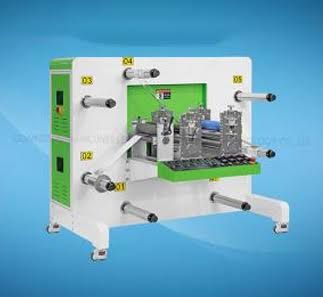
Choosing the right high speed die cutter manufacturer is an important decision for businesses involved in packaging, printing, labels, paper products, and other converting high speed die cutter manufacturer applications. A die cutter is a major part of the production process, and its performance can directly affect productivity, product quality, operating costs, and delivery schedules. With many manufacturers offering different machines and technologies, it is essential to evaluate more than just the machine’s advertised speed.
A reliable manufacturer should provide advanced equipment, dependable engineering, excellent support, and solutions that match your production requirements. Understanding the key factors to consider can help you make a confident and cost-effective investment.
Understanding Your Production Requirements
Before selecting a manufacturer, clearly identify your production needs. Consider the materials you process, required cutting sizes, production volumes, product designs, and desired automation level. Different applications may require different die-cutting technologies.
For example, a packaging company producing large quantities of cartons may need a high-speed machine designed for continuous operation. A business producing labels or smaller paper products may have different requirements related to precision and flexibility.
A reputable manufacturer should take the time to understand these requirements rather than simply recommending a standard machine. The best supplier will offer equipment that is appropriately matched to your application.
Machine Speed and Production Capacity
Speed is one of the most important considerations when purchasing high-speed die-cutting equipment. However, maximum advertised speed should not be the only factor used for comparison. Actual production performance depends on material type, product design, feeding system, cutting complexity, machine setup, and operator efficiency.
A quality high speed die cutter manufacturer should provide realistic information about production capacity. Ask about the machine’s operating speed under different working conditions and whether it can maintain consistent performance during long production runs.
It is also useful to understand how quickly the machine can be prepared for a new job. Fast changeovers can increase overall productivity, especially for businesses handling multiple orders and product designs.
Cutting Precision and Product Quality
High production speed is valuable only when the finished products meet quality standards. Precision is therefore another critical factor when evaluating die-cutting equipment.
Look for machines designed with accurate feeding, stable cutting systems, reliable registration, and strong mechanical construction. Consistent cutting helps reduce waste and prevents problems such as uneven edges, incorrect shapes, or damaged materials.
Ask the manufacturer about the machine’s tolerance levels and how it maintains accuracy during continuous operation. A well-engineered machine should deliver consistent results from the beginning of a production run to the end.
Automation and Advanced Technology
Modern die cutters increasingly use automation to improve productivity and reduce manual intervention. When evaluating manufacturers, consider what automation features are included with their equipment.
Automated feeding, job setup, registration, monitoring, waste removal, and changeover systems can help reduce production time. Digital controls and monitoring systems can also make machines easier to operate and maintain.
Some advanced machines provide user-friendly interfaces that allow operators to monitor production settings and machine performance. These features can be particularly valuable for businesses looking to improve efficiency while maintaining consistent product quality.
Machine Construction and Durability
A high-speed die cutter operates under demanding conditions, so construction quality is extremely important. Machines built with strong components and precision-engineered systems are more likely to remain reliable over many years.
Ask about the materials and components used in the machine, including the frame, drive system, cutting mechanism, feeding system, and other critical parts. The manufacturer should be able to explain how the equipment is designed for continuous industrial operation.
Durability is not only about extending machine life. A robust machine can also reduce unexpected downtime and maintenance interruptions, helping businesses maintain reliable production schedules.
Energy Efficiency and Operating Costs
Purchasing a machine involves more than the initial price. Businesses should also consider the long-term operating costs associated with energy consumption, maintenance, replacement parts, labor, and downtime.
An experienced manufacturer should provide information about the machine’s energy efficiency and maintenance requirements. Modern equipment may include efficient motors, optimized drive systems, and automated functions that help reduce unnecessary energy use.
A machine with a higher purchase price may provide better value if it delivers greater productivity, lower operating costs, and longer service life. Comparing the total cost of ownership is therefore more useful than comparing purchase prices alone.
Maintenance and Ease of Operation
Maintenance can have a significant impact on production efficiency. A well-designed die cutter should be reasonably easy to inspect, clean, adjust, and service.
Ask manufacturers about routine maintenance schedules, common replacement parts, lubrication requirements, and expected service intervals. It is also helpful to determine whether important components are easily accessible for technicians.
Operator training should also be considered. A manufacturer that provides comprehensive training can help your team operate the machine safely and efficiently while reducing avoidable errors.
Technical Support and After-Sales Service
Strong after-sales support is one of the most important qualities of a dependable high speed die cutter manufacturer. Even advanced machines may occasionally require technical assistance, replacement components, software support, or troubleshooting.
Before purchasing, ask about the manufacturer’s service network, response times, spare parts availability, remote technical assistance, and onsite support. If the manufacturer has experienced technicians available when problems occur, production interruptions can often be minimized.
A manufacturer should also provide clear documentation, operating instructions, maintenance information, and training resources.
Customization and Application Support
Every production environment is different. Some businesses may need customized feeding systems, specialized tooling, unique automation features, or integration with existing production lines.
A capable manufacturer should have the engineering expertise to adapt its equipment to specific requirements. Discuss your application in detail and ask whether the company has experience with similar materials and products.
Customization can make a machine more suitable for your workflow and may provide better productivity than purchasing a generic system that does not fully meet your needs.
Manufacturer Reputation and Experience
Experience can be an important indicator when selecting a die-cutting equipment supplier. Research the manufacturer’s history, product range, engineering capabilities, and customer feedback.
Look for evidence that the company has successfully supplied machines to businesses with applications similar to yours. Customer case studies, references, demonstrations, and technical documentation can help you understand the manufacturer’s capabilities.
A company with strong industry knowledge is more likely to understand production challenges and recommend practical solutions.
Safety Features and Compliance
Industrial die-cutting machines contain moving components and operate at high speeds, making safety essential. A responsible manufacturer should incorporate appropriate safety systems into its equipment.
Look for emergency stops, protective guards, sensors, interlocking systems, and other features designed to protect operators. Also ask about applicable industry standards and compliance certifications.
Safety should never be treated as an optional feature. Choosing equipment designed with appropriate safeguards can help create a safer and more reliable production environment.
Conclusion
Selecting the right high speed die cutter manufacturer requires careful evaluation of speed, precision, durability, automation, operating costs, maintenance, safety, and technical support. The fastest machine is not necessarily the best choice if it cannot deliver consistent quality or reliable long-term performance.
A good manufacturer should understand your production requirements and provide equipment that balances speed, accuracy, efficiency, and reliability. By evaluating the machine’s total cost of ownership, technical capabilities, after-sales service, and manufacturer reputation, businesses can make a more informed investment.
Ultimately, the right die cutter should support your production goals today while providing the flexibility and reliability needed for future growth. Taking the time to compare manufacturers carefully can lead to improved productivity, reduced waste, lower downtime, and better overall value for your business.
