
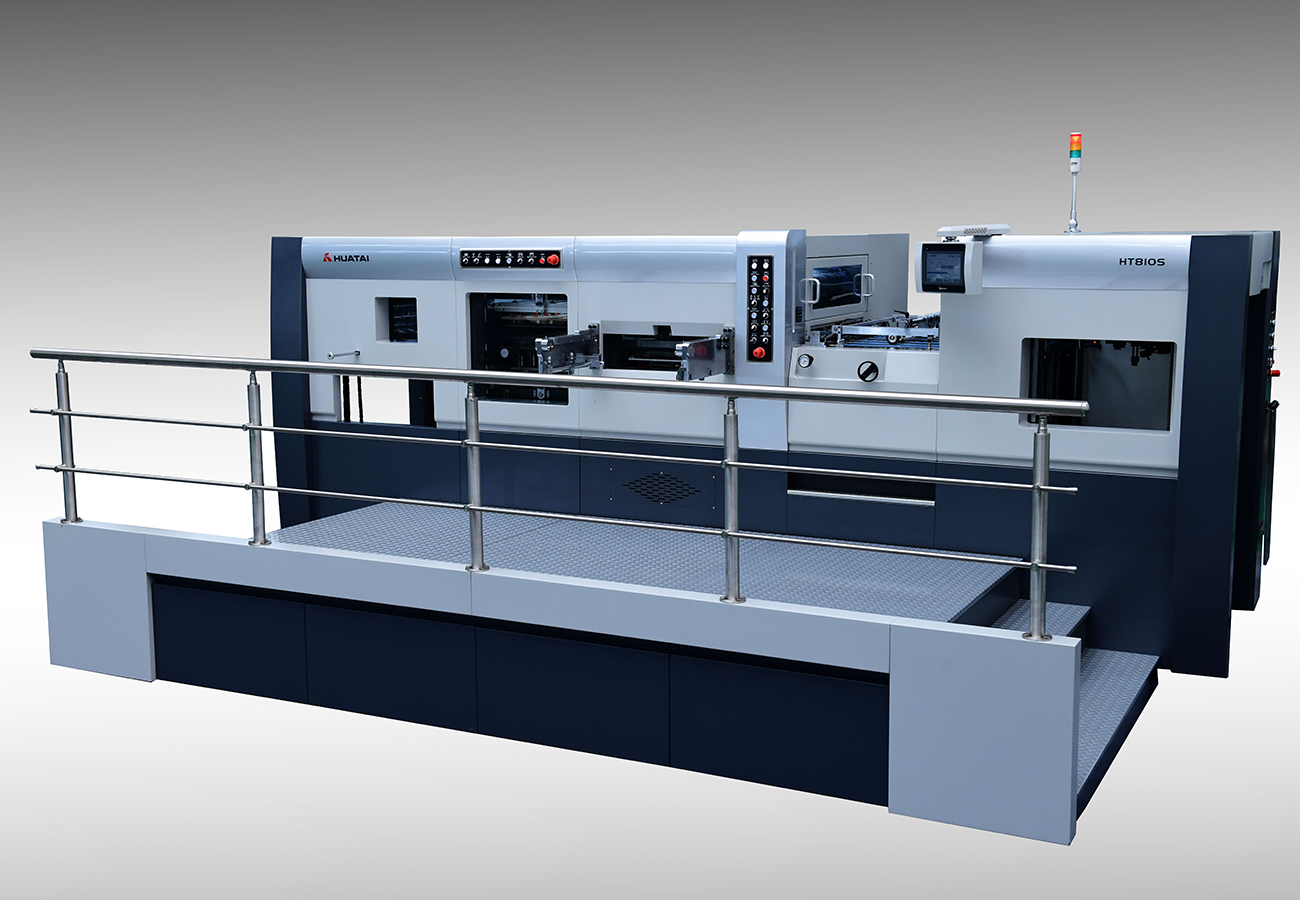
In today’s competitive manufacturing and packaging industries, businesses constantly seek ways to improve productivity, maintain consistent product quality, and reduce operating costs. One technology that has made a significant difference in modern production environments is the Fully Automatic Die Cutting Machine. Designed to perform cutting operations with minimal manual intervention, this advanced equipment helps manufacturers achieve faster production cycles, accurate cutting results, and improved operational efficiency. From packaging materials and paper products to labels, cardboard, and specialized industrial components, automatic die cutting technology supports a wide range of manufacturing applications.
Understanding Fully Automatic Die Cutting Technology
A Fully Automatic Die Cutting Machine is an advanced piece of industrial equipment that uses specially designed cutting dies to produce precise shapes and patterns from different materials. Unlike traditional manual or semi-automatic systems, fully automatic models integrate feeding, positioning, cutting, waste removal, and delivery processes into a coordinated production system.
These machines use automated controls, sensors, mechanical systems, and programmable settings to maintain consistent performance throughout the production process. Operators can configure the required cutting parameters according to material thickness, dimensions, design specifications, and production requirements.
By reducing manual handling and repetitive tasks, automatic die cutting equipment allows manufacturers to process larger quantities of materials while maintaining dependable quality standards.
How Automation Improves Production Speed
Production speed is one of the most important factors affecting manufacturing efficiency. Traditional cutting methods often require workers to position materials manually, operate cutting mechanisms, and inspect individual pieces. These activities consume valuable time and may create production bottlenecks.
A Fully Automatic Die Cutting Machine streamlines these operations by automating multiple stages of the manufacturing process.
Continuous Material Feeding
Automatic feeding systems supply materials to the cutting section without requiring constant manual loading. Depending on the machine design, sheets or other compatible materials move through the equipment at controlled intervals.
This continuous feeding capability reduces interruptions and helps maintain a steady production flow. Manufacturers can process large batches more efficiently while allowing employees to focus on monitoring operations and managing other production activities.
Faster Cutting Cycles
Modern automatic die cutting equipment is engineered to complete repeated cutting operations at high speeds. Once the machine has been configured, it can reproduce the same cutting pattern across multiple sheets or materials with minimal delay.
Consistent operating cycles make production planning easier and help businesses meet demanding customer deadlines. Manufacturers handling large packaging orders, printed materials, or industrial components can particularly benefit from improved processing speeds.
Reduced Manual Handling
Manual material positioning and product transfer can slow down production. Automated systems reduce the need for workers to perform these repetitive activities.
With fewer manual steps involved, manufacturers can minimize unnecessary movement, reduce waiting periods, and improve overall workflow organization. This creates a more efficient production environment and allows available labor resources to be used more effectively.
Improving Cutting Accuracy and Product Consistency
Speed alone is not enough to achieve successful manufacturing results. Products must also meet precise dimensional and design requirements. Inaccurate cutting can lead to material waste, rejected products, and additional production expenses.
A Fully Automatic Die Cutting Machine helps address these challenges through controlled cutting operations and accurate material positioning.
Precise Material Alignment
Accurate positioning is essential for producing clean and consistent cuts. Advanced die cutting systems use alignment mechanisms, sensors, and registration controls to ensure that materials are correctly positioned before the cutting process begins.
Proper alignment is especially important when working with printed packaging, labels, and products that require cutting along specific design boundaries.
Consistent Cutting Pressure
Different materials require different levels of cutting pressure. Excessive pressure may damage the material, while insufficient pressure can result in incomplete cuts.
Automatic die cutting equipment allows operators to adjust cutting pressure according to material characteristics and production requirements. Maintaining suitable pressure helps produce cleaner edges and consistent results across multiple production batches.
Repeatable Cutting Results
One major advantage of automated equipment is its ability to reproduce the same design repeatedly. Once the required settings have been established, the machine can perform identical cutting operations throughout a production run.
This repeatability reduces variations between finished products and helps manufacturers maintain consistent quality standards. It is particularly valuable for businesses producing large quantities of standardized packaging and printed materials.
Reducing Material Waste and Production Costs
Material waste is a major concern for manufacturers because discarded materials directly increase production expenses. Inaccurate positioning, incomplete cuts, and inconsistent manual operations can all contribute to unnecessary waste.
A Fully Automatic Die Cutting Machine helps reduce these problems through controlled feeding, accurate alignment, and repeatable cutting performance.
Manufacturers can optimize material layouts and cutting patterns to use available sheets more effectively. Improved precision also reduces the number of defective products that require replacement or reprocessing.
Although purchasing advanced machinery requires an initial investment, improved productivity and reduced waste can contribute to long-term cost savings. Businesses should evaluate the machine’s operating expenses, maintenance requirements, production capacity, and expected return on investment before making a purchasing decision.
Applications Across Different Industries
Automatic die cutting technology is used in numerous industries because it can process different materials and produce a wide variety of shapes.
Packaging and Printing Industry
Packaging manufacturers use die cutting equipment to create cartons, boxes, inserts, display materials, and other customized packaging products. Precise cutting helps ensure that packaging components fit together correctly and maintain an attractive appearance.
Printing companies also use automatic die cutting systems to process printed sheets, promotional materials, folders, and specialized paper products.
Label and Paper Product Manufacturing
Labels, stickers, greeting cards, paper decorations, and other printed products often require detailed cutting patterns. Automated die cutting equipment helps manufacturers achieve accurate shapes while maintaining consistent production quality.
Industrial Material Processing
Depending on machine specifications, die cutting technology can also process suitable industrial materials, including certain foam products, thin plastics, rubber sheets, and specialized flexible materials.
Manufacturers should always confirm material compatibility, cutting capacity, and tooling requirements before selecting equipment for these applications.
The Importance of Advanced Control Systems
Modern automatic die cutting machines often feature computerized control systems that make production management more convenient. Operators can configure cutting parameters, monitor machine performance, and adjust operating settings through integrated control panels.
Programmable functions can help simplify the transition between different production jobs. This is particularly useful for manufacturers that handle customized orders or frequently change product designs.
Sensors and monitoring systems can also support safer and more reliable operation by identifying certain feeding, positioning, or equipment-related problems. These features help operators respond to potential issues before they cause significant production interruptions.
Maintenance and Operational Efficiency
Regular maintenance is essential for keeping automatic die cutting equipment operating effectively. Even advanced machinery requires proper inspection and servicing to maintain its performance.
Manufacturers should regularly inspect cutting dies, feeding mechanisms, pressure systems, sensors, and other important components. Cutting tools should remain clean and properly maintained to support accurate results.
Lubrication, cleaning, and scheduled component replacement can help reduce unexpected breakdowns. Operators should also receive appropriate training to understand machine settings, operating procedures, and safety requirements.
Following the manufacturer’s maintenance recommendations helps extend equipment life and maintain consistent production performance.
Choosing the Right Fully Automatic Die Cutting Machine
Selecting suitable equipment requires careful consideration of production requirements. Businesses should evaluate several factors before investing in a machine.
Important considerations include maximum cutting speed, material compatibility, sheet dimensions, cutting accuracy, automation features, tooling flexibility, and maintenance requirements.
It is also important to consider the manufacturer’s technical support, spare parts availability, installation assistance, and warranty coverage. A machine that matches current production needs while allowing room for future expansion can provide greater long-term value.
Manufacturers should compare equipment specifications and, whenever possible, request product demonstrations or sample cutting tests before making a final decision.
Conclusion
A Fully Automatic Die Cutting Machine plays an important role in improving modern manufacturing efficiency. By automating material feeding, positioning, cutting, and other production activities, this technology helps businesses increase output while reducing manual labor and unnecessary delays.
Its ability to deliver accurate, repeatable cutting results also supports better product quality, lower material waste, and more efficient resource utilization. From packaging and printing to specialized industrial applications, automatic die cutting equipment provides manufacturers with valuable production advantages.
As manufacturing requirements continue to evolve, investing in reliable automation technology can help businesses strengthen their competitiveness, meet customer expectations, and achieve sustainable long-term growth.
