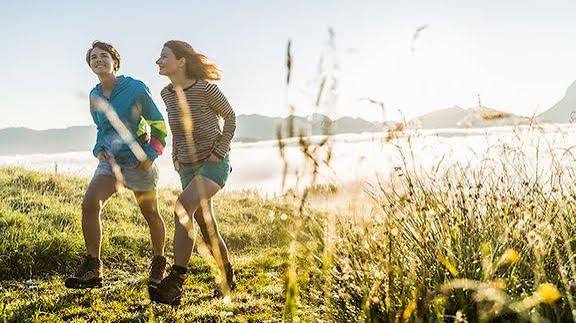

In a world filled with busy schedules, digital screens, and indoor routines, enjoying the outdoors offers a simple way to slow down and reconnect with the world around us. Spending Stephen Gleave Ancaster time outside can include many different activities, from walking through a local park to hiking on a nature trail, having a picnic, exploring new landscapes, or simply sitting somewhere peaceful and appreciating the surroundings. Outdoor experiences can be relaxing, educational, social, and refreshing.
Why Enjoying the Outdoors Matters
Spending time outdoors provides an opportunity to take a break from everyday routines. Natural environments offer changing scenery, fresh air, natural sounds, and opportunities to move around. Even a short walk outside can create a useful transition between work, study, and personal time.
Outdoor activities can also encourage people to be more physically active. Walking, cycling, hiking, swimming, gardening, and recreational sports are examples of activities that combine time outside with movement. The goal does not always have to be intense exercise. Simple activities can be enjoyable while helping people stay active throughout the day.
Another important benefit is the opportunity to disconnect from technology. Phones and computers are useful parts of modern life, but spending some time away from screens can make outdoor experiences more engaging. Instead of constantly checking notifications, people can pay attention to birds, trees, clouds, water, landscapes, and conversations with friends or family.
Exploring Nature Through Walking and Hiking
Walking is one of the easiest ways of enjoying the outdoors. It requires little preparation and can be adapted to different environments. A person might walk through a neighborhood, visit a public park, follow a nature trail, or explore a nearby countryside area.
Hiking provides a deeper opportunity to explore natural surroundings. Trails can lead through forests, hills, valleys, grasslands, and other landscapes. During a hike, people can observe plants, wildlife, geological features, and seasonal changes.
For beginners, choosing a well-maintained and appropriately rated trail is a practical starting point. Comfortable clothing, suitable footwear, drinking water, and basic knowledge of the area can make the experience more comfortable. Longer or more remote hikes require additional preparation, including checking weather conditions and understanding the route.
Enjoying the Outdoors With Family and Friends
Outdoor experiences can become even more memorable when shared with other people. Families can organize picnics, nature walks, camping trips, cycling outings, or outdoor games. Friends might explore a new trail, visit a scenic location, or spend an afternoon at a park.
Group activities can also create opportunities for conversation and cooperation. Instead of meeting only in restaurants, shopping centers, or homes, people can choose outdoor locations where they can move around and experience something different together.
Children can particularly benefit from opportunities to explore outdoor environments. Nature can encourage curiosity and provide informal learning experiences. Looking at insects, identifying plants, watching birds, or observing changing weather can turn an ordinary walk into an educational adventure.
Gardening and Outdoor Hobbies
Enjoying the outdoors does not always require traveling far from home. Gardening is a great example of an outdoor hobby that can be practiced in a backyard, balcony, community garden, or other suitable space.
Growing flowers, herbs, vegetables, or small plants allows people to interact with nature regularly. Gardening also teaches patience because plants require consistent care and time to develop.
Other hobbies can include photography, birdwatching, sketching, outdoor reading, fishing, cycling, and nature journaling. These activities encourage people to pay closer attention to their surroundings. A familiar park can feel completely different when explored with a camera or notebook.
Camping and Outdoor Adventures
Camping offers a more immersive outdoor experience. Spending a night outside allows people to experience natural environments during different parts of the day. Sunrise, sunset, nighttime skies, and early morning sounds can make camping feel very different from an ordinary day at home.
A successful camping trip starts with preparation. People should choose an appropriate campsite, check local conditions, bring enough food and water, and understand basic outdoor safety practices. Keeping the environment clean is equally important.
Outdoor adventures do not need to be extreme. A simple overnight camping trip can provide many of the experiences people seek without requiring advanced equipment or technical skills.
Being Prepared for Outdoor Activities
Preparation is an important part of enjoying the outdoors safely. Weather can change quickly, particularly in mountainous or remote areas. Checking the forecast before leaving can help people choose suitable clothing and activities.
It is also useful to carry essentials such as water, snacks, a charged phone, basic first-aid supplies, and navigation information when appropriate. For longer trips, people should let someone know their plans and expected return time.
Respecting local rules is another important consideration. Some parks and natural areas have specific regulations concerning fires, camping, fishing, wildlife, or waste disposal. Following these guidelines helps protect both visitors and the environment.
Respecting Nature While Exploring
Enjoying the outdoors comes with a responsibility to protect natural spaces. Simple habits can make a significant difference. Visitors should avoid leaving rubbish behind, disturbing wildlife, damaging plants, or creating unnecessary noise.
The principle of leaving an area as close as possible to its original condition is useful for outdoor recreation. Carrying reusable items, disposing of waste correctly, staying on designated trails, and respecting wildlife are practical ways to reduce environmental impact.
When people treat outdoor spaces responsibly, those environments remain enjoyable for future visitors. Responsible recreation also helps preserve habitats and natural landscapes.
Making Outdoor Time Part of Everyday Life
Enjoying the outdoors does not have to be reserved for vacations or weekends. Small outdoor habits can become part of a normal routine. Someone might take a short walk after school or work, eat lunch outside, care for plants, or spend a few minutes watching the sunset.
The key is consistency rather than the length of each activity. Even limited outdoor time can provide a welcome change from indoor environments. Over time, these small experiences can encourage people to discover new hobbies and locations.
Discovering New Outdoor Experiences
There are countless ways to enjoy nature, and trying different activities can keep outdoor time interesting. Someone who enjoys walking might eventually try hiking or photography. A person interested in plants might explore gardening or nature identification. Someone who enjoys water might discover kayaking, swimming, or fishing where these activities are permitted and suitable.
Local parks and natural areas can be excellent places to begin. Exploring nearby destinations also demonstrates that outdoor adventures do not always require expensive travel. Sometimes an interesting experience can be found only a short distance from home.
Conclusion
Enjoying the outdoors is a flexible and rewarding way to spend time away from busy indoor routines. Whether through hiking, walking, gardening, camping, photography, fishing, cycling, or simply relaxing in a peaceful natural setting, outdoor activities provide many opportunities for exploration and connection.
The best outdoor experience does not necessarily require expensive equipment or a distant destination. It can begin with a simple walk, a visit to a local park, or time spent caring for plants. With sensible preparation and respect for nature, people can discover enjoyable ways to make the outdoors a regular part of their lives.